

TL;DR: Blockchain interoperability lets separate networks talk to each other, sharing data and value without middlemen. It's the missing piece that could unify a fragmented crypto world.
Blockchain Interoperability Explained: The Hidden Truth
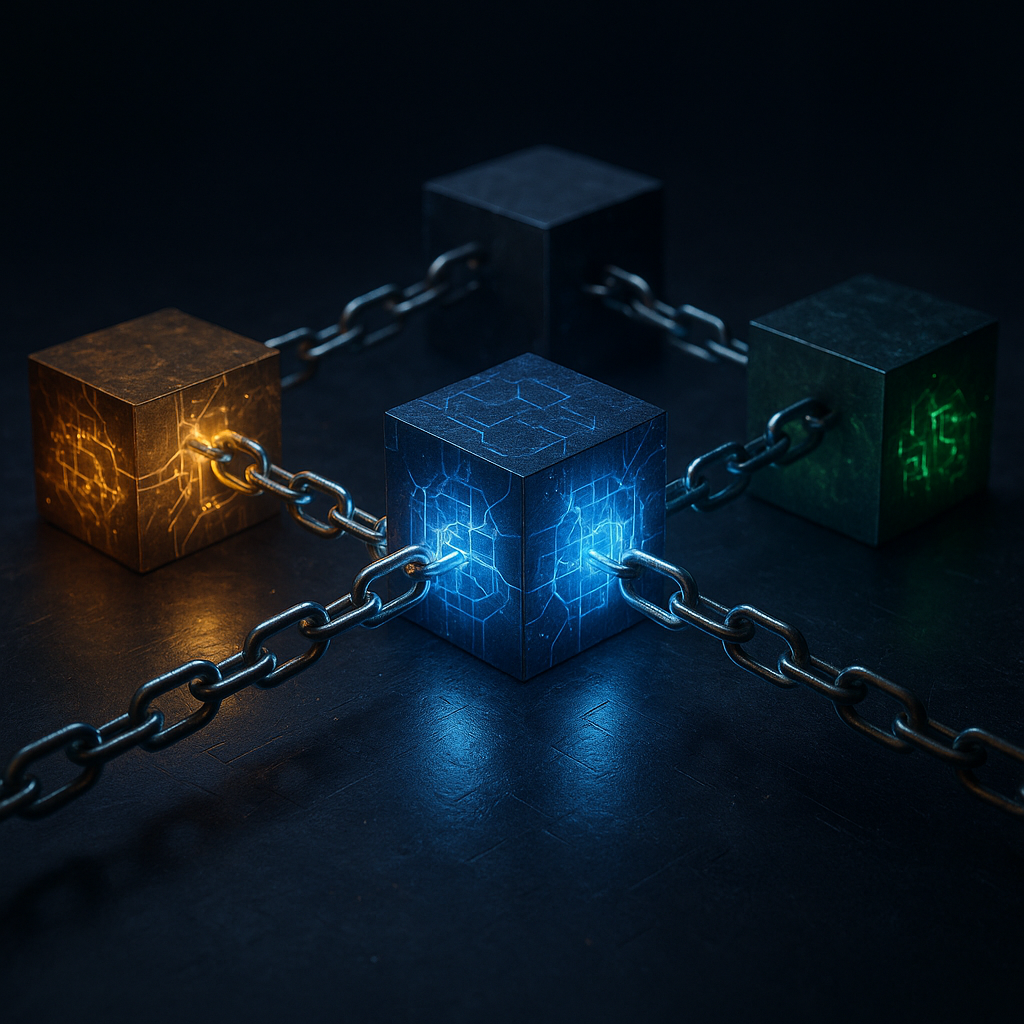
Here's a fact that stops most people cold: there are over 1,000 active blockchains right now, and almost none of them can natively communicate. So what is blockchain interoperability, and why does it suddenly matter so much? Understanding what is blockchain interoperability might be the single biggest key to crypto's future. Think of it as the internet before browsers connected everything.
What Is Blockchain Interoperability and Why It Matters
Let's start simple. What is blockchain interoperability? It's the ability for different blockchain networks to exchange information, assets, and value seamlessly, without relying on a centralized exchange or trusted third party.
Think about it this way. Imagine having a Gmail account that could only email other Gmail users. Frustrating, right? That's basically how most blockchains operate today. Ethereum can't easily talk to Solana. Bitcoin can't natively interact with Cardano.
And here's the surprising fact: billions of dollars sit stranded across isolated chains simply because moving assets between them is clunky and risky. Cross-chain bridges — one popular solution — have been hacked for over $2 billion collectively.
In my view, this fragmentation is crypto's dirty little secret. We celebrate decentralization while quietly building thousands of walled gardens. What most miss is that true adoption depends on chains cooperating, not competing in isolation. Interoperability isn't a luxury feature. It's the foundation that could turn scattered networks into one connected financial layer.
[IMAGE: Diagram of multiple blockchains connected by bridges | Alt: what is blockchain interoperability network connection]
What Is Blockchain Interoperability: How It Actually Works
So how does this magic actually happen? Let me break it down.
At its core, blockchain interoperability relies on protocols that let one chain verify and trust events happening on another. There are a few main approaches here.
First, cross-chain bridges. These lock assets on one chain and mint equivalent tokens on another. Think of it like a currency exchange booth at an airport — you hand over dollars, get euros back, and a ledger keeps track.
Second, there are dedicated interoperability layers like Polkadot and Cosmos, which use hubs and relay chains to connect ecosystems. Cosmos, for example, uses something called IBC (Inter-Blockchain Communication), a shared language for chains.
Third, atomic swaps let two parties trade tokens across chains directly, with no intermediary.
But here's the thing — each method trades off security, speed, or decentralization. There's no free lunch.
The surprising fact? Some newer protocols now use zero-knowledge proofs to verify cross-chain transactions with mathematical certainty, slashing the hacking risk that plagued early bridges. What I find interesting is how fast this space is maturing.
[LINK: How cross-chain bridges work explained]
What's Happening Now in the Interoperability Race
The competition is heating up fast. And honestly, it's fascinating to watch.
Cosmos and Polkadot pioneered the "internet of blockchains" vision years ago. But now heavyweights are pouring in. Chainlink launched CCIP, a cross-chain protocol aimed at connecting banks and enterprises to public chains. LayerZero raised massive funding to build lightweight messaging between networks.
Here's a real-world analogy. Remember when phone carriers couldn't text across networks? Then interoperability standards arrived, and suddenly it didn't matter who your provider was. Blockchain is approaching that same tipping point.
The surprising fact here: over $40 billion in value has moved across bridges and interoperability protocols in recent years, proving demand is real and enormous.
But why does this race matter so much? Because whoever sets the standard could control the plumbing of Web3. That's serious power.
Regulators are watching too. Cross-chain flows make tracing funds harder, which worries authorities. Meanwhile, developers love the flexibility. So we're caught in a tug-of-war between innovation and oversight — and nobody knows exactly who wins yet.
[IMAGE: Chart showing growth of cross-chain transaction volume | Alt: blockchain interoperability adoption growth statistics]
What This Means for You
So how should you actually think about all this?
If you're an everyday user, interoperability means smoother experiences ahead. You'll swap tokens across chains without juggling five wallets and three exchanges. Fees should drop. Confusion should fade.
If you're an investor, pay attention to interoperability projects — they're infrastructure plays. Think of them like railroads during the industrial boom. Not flashy, but essential.
But here's my honest warning. Don't blindly trust every bridge. Security remains the weak link, and hacks happen. Always research the protocol's audit history before moving big money.
What most miss is that interoperability quietly benefits you even if you never notice it. Good plumbing is invisible when it works. [LINK: beginner's guide to crypto wallets]
Stay curious, stay cautious, and keep learning.
Frequently Asked Questions
Q: What is blockchain interoperability in simple terms?
A: Blockchain interoperability is the ability of different blockchain networks to communicate and share data or assets with each other. It lets separate chains, like Ethereum and Solana, exchange value directly without needing a centralized exchange or trusted intermediary in between.
Q: Why is blockchain interoperability important?
A: It's important because the crypto world is fragmented across thousands of isolated chains. Interoperability connects them, enabling smoother asset transfers, better user experiences, lower costs, and unified liquidity. Without it, blockchains remain walled gardens, limiting adoption and slowing the growth of decentralized finance.
Q: Are cross-chain bridges safe to use?
A: Cross-chain bridges carry real risks. Historically, they've been targeted by hackers, with over $2 billion stolen. Newer bridges using zero-knowledge proofs improve security significantly. Always check audits, reputation, and total value locked before trusting any bridge with substantial funds.
Final Thoughts
So what is blockchain interoperability, really? It's the bridge between crypto's fragmented present and its connected future. We started with isolated networks that couldn't talk. We're heading toward a world where value flows freely across chains, much like data flows across the internet today.
In my view, interoperability isn't just another buzzword — it's the quiet backbone that could finally unlock mainstream adoption. But challenges around security and regulation remain, and they won't disappear overnight.
The technology is young, messy, and enormously promising. Keep watching this space closely.
Want to go deeper? Explore our other guides and start building your interoperability knowledge today.
