
TL;DR: Blockchain in supply chain promises transparency and trust, but the reality is messier than the hype suggests. Here's what actually works and what doesn't.
Blockchain in Supply Chain: The Truth Nobody Talks About
Did you know that nearly 90% of blockchain supply chain pilots never make it past the testing phase? Blockchain in supply chain has been sold as the fix for every logistics headache on the planet. But the truth is far more complicated than the glossy whitepapers admit. So let's cut through the noise and talk about what really happens when this tech meets the loading dock.
Why Blockchain in Supply Chain Actually Matters
Think about it this way. Every product you own passed through dozens of hands before reaching you. Farmers, factories, shippers, warehouses, retailers. Each one keeps its own records, and those records rarely agree.
Blockchain in supply chain aims to fix that fragmentation. It creates one shared ledger that everyone can see but nobody can secretly alter. What most miss is that the real value isn't the "crypto" part—it's the shared truth.
Here's a surprising fact: Walmart once traced a mango's journey from farm to shelf in 2.2 seconds using blockchain, a process that previously took nearly seven days. That's not a small improvement. That's a revolution in traceability.
In my view, this matters most for food safety and counterfeit prevention. When a contamination scare hits, hours count. A shared ledger means you don't have to call fifteen suppliers asking "where did this batch come from?"
But does every supply chain need this? Honestly, no. And that's the part vendors won't tell you.
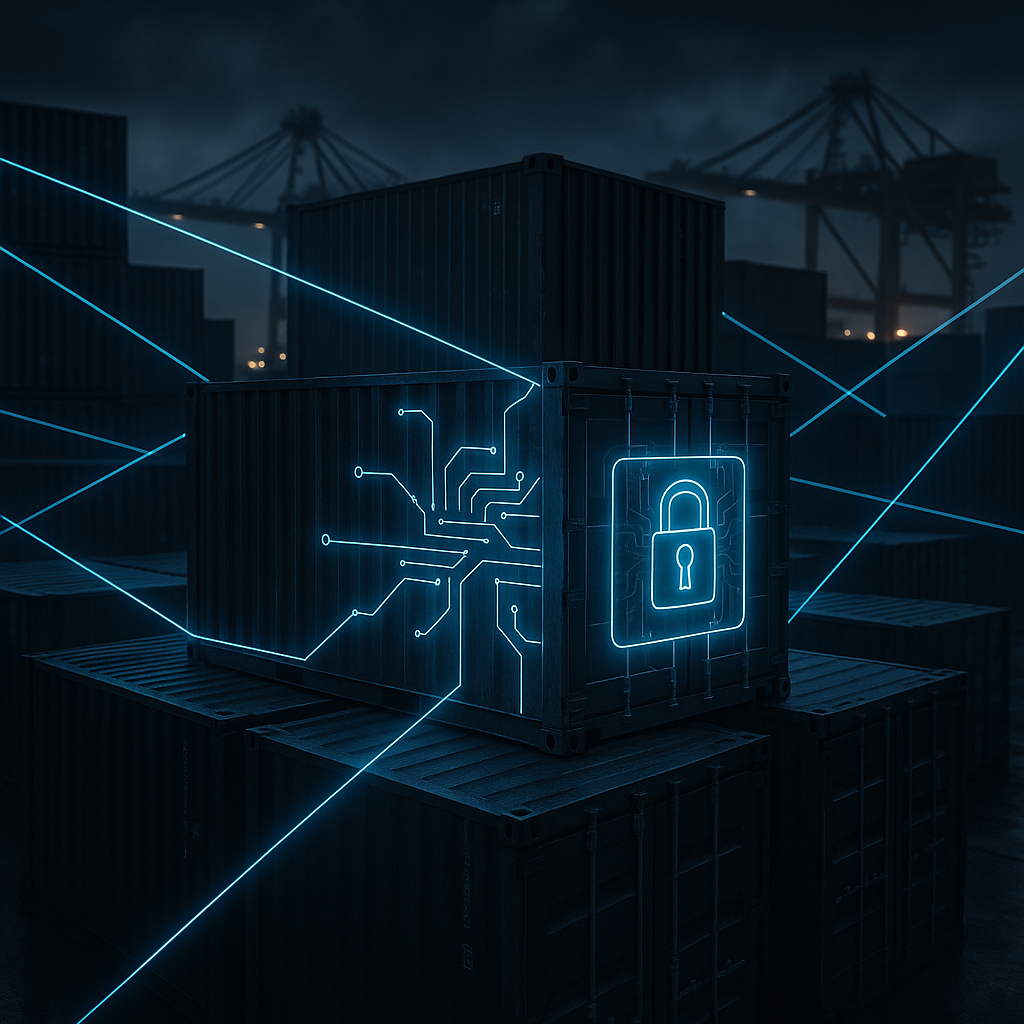
[IMAGE: Global shipping containers connected by digital ledger lines | Alt: Blockchain in supply chain traceability network]
How Blockchain in Supply Chain Really Works
Let me demystify the mechanics. At its core, a supply chain blockchain is a distributed database. Every transaction—a shipment, a temperature reading, a handoff—gets recorded as a "block." Once added, it can't be quietly edited.
Think of it like a group chat where nobody can delete their old messages. Everyone sees the same history. If someone tries to lie later, the record proves them wrong.
Most enterprise systems use permissioned blockchains, not public ones like Bitcoin. That means only approved partners can join. This is where things get interesting. These networks often pair with IoT sensors and smart contracts to automate verification.
Here's the thing, though. The blockchain only records what it's told. Garbage in, garbage out. If a worker scans a fake label, the chain faithfully records the lie forever.
A surprising fact: a single smart contract can automatically release payment the moment a shipment's sensor confirms delivery at the right temperature. No invoices, no disputes, no delays.
But integration is brutal. Legacy systems, competing vendors, and reluctant partners slow everything down. Why would rivals share data willingly? That question kills most projects.
[LINK: How smart contracts automate business logistics]
What's Happening Now in the Industry
Adoption is real, but uneven. Maersk and IBM built TradeLens, one of the most ambitious blockchain in supply chain platforms ever launched. It tracked millions of shipping events. And yet, it shut down in 2023.
Why? Not enough industry participation. Competitors didn't want to hand data to a platform partly owned by a rival shipping giant. That's the analogy of building a shared highway, but only one company owns the tolls. Nobody wants to drive on it.
Meanwhile, other players quietly succeed. De Beers uses blockchain to track diamonds and prove they're conflict-free. Pharmaceutical companies use it to fight counterfeit drugs, which the WHO estimates kill hundreds of thousands yearly.
A surprising fact: the counterfeit goods market is worth over $500 billion annually, and supply chain transparency tools are one of the few weapons that actually work against it.
What I find interesting is the shift in tone. Companies stopped saying "blockchain will change everything" and started saying "blockchain solves this specific problem." That's maturity. So the hype died, but the useful applications survived. Isn't that how most transformative tech eventually settles?
[IMAGE: A luxury diamond scanned with a digital verification code | Alt: Blockchain supply chain product authentication]
What This Means for You
So where does this leave you? If you run a business, don't chase blockchain because it's trendy. Ask a simpler question first: do you actually have a trust problem between multiple parties?
If yes, blockchain might help. If no, a regular database is cheaper and faster. Really.
For everyday consumers, the impact is quiet but growing. That QR code on your coffee bag showing the farm it came from? That's decentralized traceability at work. You'll see more of it, especially in food and luxury goods.
Here's my honest take. The technology is powerful but oversold. Start small. Run a pilot with willing partners. Measure real results, not press releases.
Because the winners aren't the loudest adopters. They're the ones who quietly solved a real headache.
Frequently Asked Questions
Q: What is blockchain in supply chain management?
A: Blockchain in supply chain management is a shared, tamper-resistant digital ledger that records every transaction and product movement across multiple parties. It gives all partners access to the same verified data, improving transparency, traceability, and trust without relying on a single controlling authority.
Q: Is blockchain actually used in real supply chains today?
A: Yes. Companies like Walmart, De Beers, and major pharmaceutical firms use blockchain for food traceability, diamond authentication, and anti-counterfeiting. However, adoption remains uneven, and several high-profile projects have shut down due to poor industry-wide participation and integration challenges.
Q: What are the biggest challenges of blockchain in supply chains?
A: The main challenges include getting competing companies to share data, integrating with outdated legacy systems, high setup costs, and the "garbage in, garbage out" problem. Blockchain guarantees data can't be altered, but it can't guarantee the original data was accurate.
Final Thoughts
Let's be clear-eyed. Blockchain in supply chain isn't the magic wand vendors promised a few years ago. But it isn't vaporware either. The truth sits in the messy middle, where the technology quietly solves specific problems like traceability, authentication, and automated trust between wary partners.
What matters now is picking the right use case instead of chasing hype. Start with a genuine trust problem. Test small. Build with willing partners who actually benefit.
The future of blockchain in supply chain belongs to the pragmatic, not the loud. Curious whether it fits your operation? Explore a focused pilot before committing—and let the results, not the buzzwords, guide your next move.
