

What Is a Crypto Wallet Address? What You Must Know
TL;DR: A crypto wallet address is your unique code for sending and receiving digital assets. Get it wrong, and your funds could vanish forever.
What Is a Crypto Wallet Address? What You Must Know
Here's a fact that stuns newcomers: over $2 billion in crypto has been lost to simple typos in wallet addresses. So what is a crypto wallet address, and why does one small string of characters hold so much power? Understanding what a crypto wallet address is could be the difference between smooth transactions and losing your money permanently. Let's break it all down.
What Is a Crypto Wallet Address and Why It Matters
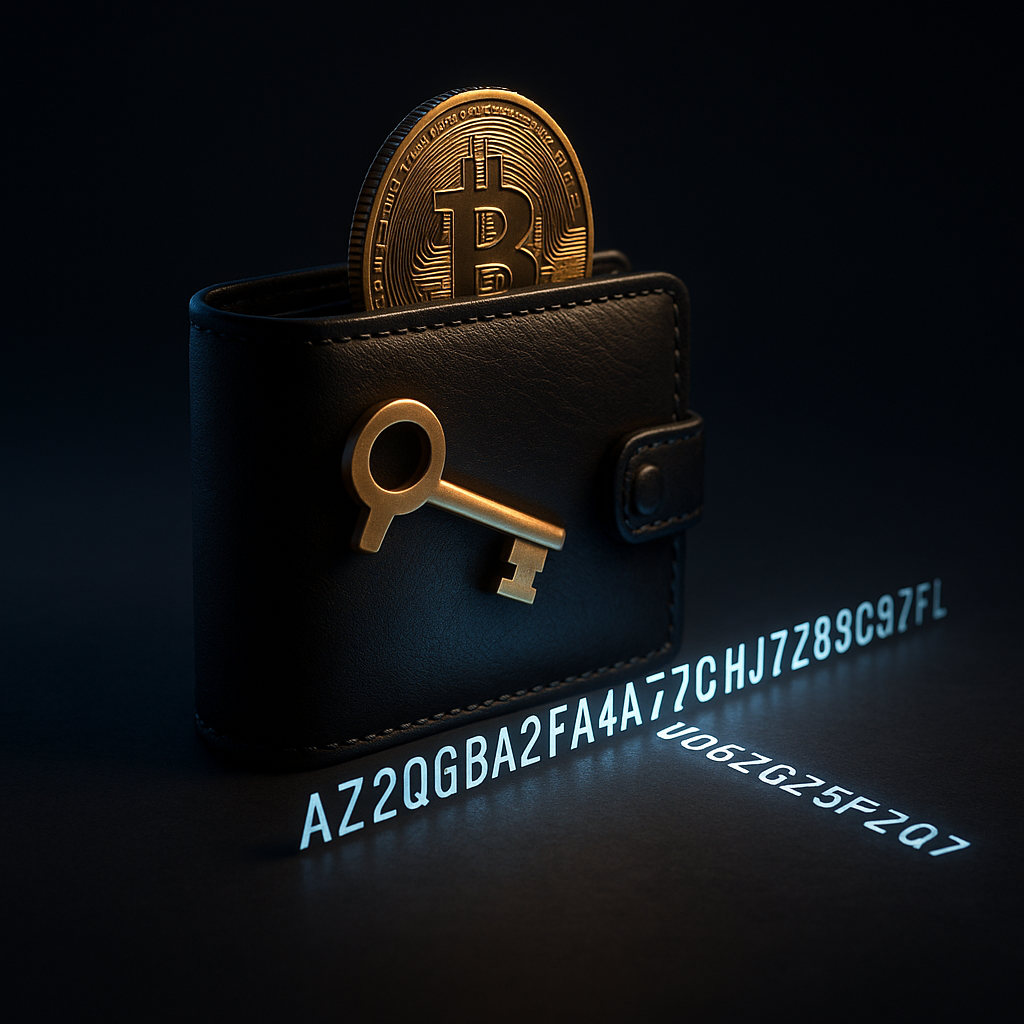
A crypto wallet address is a unique string of letters and numbers that identifies where digital assets can be sent or received on a blockchain. Think of it this way: it's like your bank account number, but for cryptocurrency. Anyone can send funds to it, yet only you—with your private key—can access what's inside.
But why does this matter so much? Because blockchain transactions are irreversible. Send Bitcoin to the wrong address, and there's no customer service hotline to call. That money's gone.
What most miss is that addresses aren't the same as your actual wallet. The wallet stores your keys. The address is just the public-facing identifier derived from those keys.
Here's a surprising fact: a single Bitcoin wallet can generate millions of unique addresses, all tied to the same underlying account. In my view, this flexibility is one of crypto's most underrated features. It boosts privacy and organization. And understanding this distinction early saves you from costly beginner mistakes.
[IMAGE: Illustration of a crypto wallet with address string | Alt: what is a crypto wallet address diagram]
What Is a Crypto Wallet Address? How It Actually Works
So how does a crypto wallet address actually work under the hood? It starts with cryptography. When you create a wallet, the system generates a private key. From that private key, a public key is created. And from the public key, your wallet address is derived through hashing algorithms.
Think about it this way: it's like a locked mailbox. Everyone can see the mailbox and drop letters in, but only the person holding the key can open it and take the mail out.
Different blockchains use different address formats. Bitcoin addresses often start with "1," "3," or "bc1." Ethereum addresses always begin with "0x" and contain 42 characters. These formats aren't random—they help wallets validate that you're sending to the correct network.
Here's a surprising fact: many wallets use checksums built into the address itself. If you mistype even one character, a good wallet will reject it before the transaction goes through. That's a small safety net, but not a guaranteed one.
What I find interesting is how [LINK: public and private keys] work together seamlessly, yet stay completely separate in function. One shares. One protects.
[LINK: how blockchain transactions are verified]
What's Happening Now With Wallet Addresses
The world of wallet addresses is evolving fast. Have you heard of human-readable addresses? Services like Ethereum Name Service now let you replace long, confusing strings with simple names like "john.eth." It's like swapping a phone number for a contact name.
This shift matters because usability has long been crypto's biggest weakness. Ordinary people don't want to copy 42-character codes. And the industry knows it.
Here's a surprising fact: adoption of naming services grew over 300% in a single year, showing how badly users crave simplicity. In my view, this trend will define the next wave of mainstream crypto use.
We're also seeing multi-chain wallets become standard. A single [LINK: crypto wallet app] can now handle addresses across dozens of blockchains. But that convenience introduces new risks. Sending Ethereum to a Bitcoin address, for example, still leads to lost funds.
Regulators are paying attention too. Some exchanges now require address verification before withdrawals, adding a layer of compliance. So the humble wallet address is becoming a battleground for security, usability, and regulation all at once.
[IMAGE: Screenshot of ENS name replacing long address | Alt: crypto wallet address naming service]
What This Means for You
So what should you actually do with all this? First, always double-check every address before sending. Copy and paste—never type manually. And verify the first and last few characters match.
Here's the thing: security is your responsibility in crypto. There's no bank to reverse mistakes.
Consider using address whitelisting if your exchange offers it. This locks withdrawals to pre-approved addresses only. It's like having a bouncer who only lets trusted guests through the door.
Also, watch out for clipboard malware. Some viruses swap the address you copied with a hacker's address at the last second. Scary, right? Always confirm before hitting send.
In my view, treating every transaction with a little healthy paranoia is the smartest habit you can build. Small precautions today prevent devastating losses tomorrow.
Frequently Asked Questions
Q: Is a crypto wallet address the same as a private key?
A: No, they're completely different. A wallet address is public and shareable, used to receive funds. A private key is secret and controls access to those funds. Never share your private key with anyone, or you risk losing everything in your wallet permanently.
Q: Can I reuse the same crypto wallet address?
A: Yes, you can reuse an address multiple times, and it will still work. However, for better privacy, many wallets generate a new address for each transaction. Reusing addresses makes it easier for others to track your transaction history on the public blockchain.
Q: What happens if I send crypto to the wrong address?
A: Unfortunately, blockchain transactions are irreversible. If you send funds to a wrong but valid address, the coins are likely lost forever. If the address is invalid, most wallets will block the transaction. Always verify carefully before confirming any transfer.
Final Thoughts
Understanding what a crypto wallet address is might feel technical at first, but it's genuinely one of the most important skills in your crypto journey. That simple string of characters is the gateway to your digital wealth—and mistakes with it can't be undone.
What I find most reassuring is that a little knowledge goes a long way. Double-check addresses. Protect your keys. Stay alert to scams. Do these, and you'll navigate crypto far more safely than most beginners.
Ready to take the next step? Explore our other guides to deepen your understanding and start managing your digital assets with total confidence.
