

TL;DR: Web3 identity puts you in control of your digital self, ditching passwords and data-hungry platforms. Here's what nobody tells you about how it actually works.
Web3 Identity Explained: The Truth Nobody Talks About
Here's a wild fact: the average person has over 100 online accounts, yet owns almost none of the data tied to them. Web3 Identity Explained simply means flipping that ownership back to you. Think about it this way — instead of Google or Facebook holding the keys to who you are online, you carry those keys yourself. And that changes everything about privacy, trust, and control.
Web3 Identity Explained: Why It Matters
So why should you even care? Because right now, your digital identity is scattered across dozens of companies that treat your data like inventory. What most miss is that every login, every profile, every "sign in with Google" hands over a little piece of you.
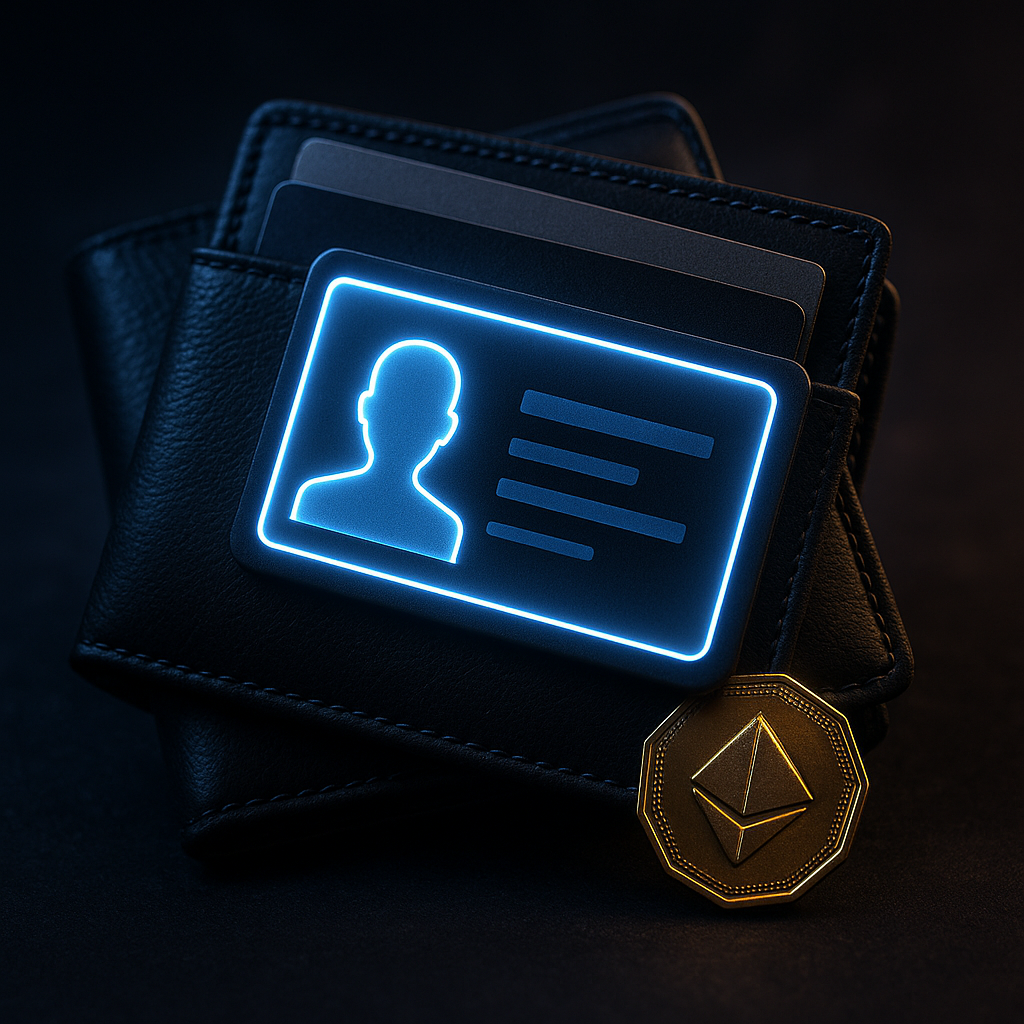
Web3 identity fixes this by giving users self-sovereign identity — a fancy term meaning you own and control your credentials without a middleman. Think of it like a physical wallet. You don't ask a bank for permission to show your driver's license; you just pull it out. That's the promise here.
In my view, the biggest shift isn't technical — it's psychological. We've been trained to trust platforms with our data. Surprising fact? Studies show data breaches exposed over 26 billion records in a single 2024 leak. Twenty-six billion. That's the cost of centralized identity systems failing.
But Web3 identity, using decentralized identifiers (DIDs), keeps your information encrypted and under your control. You decide who sees what, and when. No more begging corporations to protect data they were never careful with anyway.
[IMAGE: A digital wallet holding identity credentials | Alt: Web3 identity explained through self-sovereign wallet]
Web3 Identity Explained: How It Actually Works
Let's get under the hood. Web3 identity relies on three core pieces: decentralized identifiers, verifiable credentials, and your crypto wallet. Here's the thing — none of these need a central authority.
A DID is like a permanent digital address that only you control. Verifiable credentials are the proofs attached to it — think of them as tamper-proof certificates. Your university could issue a diploma as a verifiable credential, and you store it in your wallet. When an employer asks for proof, you share it directly, cryptographically signed.
Think of it like showing a stamped passport at customs. The officer trusts the stamp, not because they called your government, but because the stamp can't be faked. Blockchain does the same job for digital claims.
What I find interesting is the concept of zero-knowledge proofs. You can prove you're over 18 without revealing your birthdate. You can prove you have funds without showing your balance. Isn't that how privacy should've worked all along?
Surprising fact: some DID systems can verify a credential in under a second, faster than most password resets. And because your wallet signs everything, there's no database of passwords for hackers to steal.
[LINK: Learn more about decentralized identifiers and DIDs]
What's Happening Now in the Identity Space
The movement is picking up serious steam. Major players — Microsoft, the EU, and dozens of blockchain projects — are building identity frameworks right now. The European Union's digital identity wallet initiative aims to give 80% of citizens a self-controlled ID by 2030.
That's not a niche experiment. That's continental infrastructure.
Ethereum-based projects like ENS (Ethereum Name Service) already let millions of people use human-readable names instead of clunky wallet addresses. Meanwhile, verifiable credentials are being tested in healthcare, education, and finance. The [LINK: rise of soulbound tokens] adds another layer — non-transferable tokens that represent achievements or memberships tied permanently to you.
Think of it like your reputation following you everywhere, but you decide what to reveal. A gamer's tournament wins, a developer's contributions, a professional's certifications — all portable, all yours.
But here's the honest part nobody talks about. Adoption is messy. Losing your private keys means losing your identity, with no "forgot password" button. Surprising fact? Roughly 20% of all Bitcoin is already lost forever due to misplaced keys. Now imagine that risk applied to your entire identity.
So the tech is powerful, but the user experience still needs work. And that's exactly where the next few years of innovation will focus.
[IMAGE: Global map showing digital identity adoption | Alt: Web3 identity adoption growing worldwide]
What This Means for You
So how does all this affect your daily life? More than you'd expect. Soon, you might log into apps with your wallet instead of a password, share only the data you choose, and carry your reputation across platforms without starting from scratch.
Think of it like owning your house instead of renting it. You get freedom, but also responsibility. You'll need to guard your keys carefully and understand what you're signing.
My honest advice? Start small. Create an ENS name, explore a self-custody wallet, and get comfortable managing your own credentials. Because the shift toward user-owned identity isn't slowing down — it's accelerating. And the people who understand it early will navigate this new internet far more confidently than those still clicking "sign in with Google."
Frequently Asked Questions
Q: What is Web3 identity in simple terms?
A: Web3 identity is a system where you own and control your digital identity using blockchain, instead of relying on companies. You store credentials in your own wallet, decide who sees your data, and prove things about yourself without depending on centralized platforms or passwords.
Q: Is Web3 identity safe to use?
A: It's generally more secure than centralized logins because there's no password database to hack. However, safety depends on you. If you lose your private keys, you lose access permanently, since no company can reset them for you. Careful key management is essential.
Q: Do I need cryptocurrency to use Web3 identity?
A: Not always. While Web3 identity uses blockchain and often a crypto wallet, many identity actions require little or no crypto. Some networks offer gas-free credential verification. You mainly need a compatible wallet to store your decentralized identifiers and verifiable credentials safely.
Final Thoughts
We're standing at a real turning point. For decades, corporations owned the digital version of you — and honestly, they didn't guard it well. Web3 Identity Explained isn't just tech jargon; it's a genuine shift toward giving people back control over their own data, reputation, and privacy. Sure, the road ahead has bumps, from lost keys to clunky interfaces. But the direction is clear, and it favors users like you.
If this sparked your curiosity, take one small step today — explore a self-custody wallet and start owning your digital self. Your future online identity will thank you.
