


Web3 Security Best Practices Every User Must Know
TL;DR: Web3 puts you in charge of your money, but that means you're also the last line of defense. Learn the essential habits that keep your crypto safe from hackers, scammers, and simple mistakes.
Web3 Security Best Practices Every User Must Know
Did you know that over $2 billion was stolen in crypto hacks and scams in a single year? That's the harsh reality behind decentralized finance. Web3 security best practices aren't optional extras—they're survival skills in an ecosystem where a single click can drain your wallet. And unlike your bank, there's no fraud department to call. So how do you protect yourself when you're your own bank?
Why Web3 Security Best Practices Matter More Than Ever
Here's the thing: in traditional finance, mistakes are reversible. Wire the wrong person? Your bank might claw it back. In Web3, transactions are final. Once those tokens leave your wallet, they're gone.
Think about it this way. Owning crypto without security knowledge is like keeping cash in an unlocked house in a busy neighborhood. Sooner or later, someone walks in.
What most miss is that the biggest threat isn't sophisticated hacking. It's social engineering—phishing links, fake support agents, and malicious approvals that users sign willingly. In my view, this human element makes education the strongest defense we have.
A surprising fact? Roughly 80% of crypto losses trace back to user-side errors and scams, not protocol failures. The blockchain itself rarely gets broken. You do.
Self-custody hands you total control, but total control means total responsibility. That's the trade-off nobody explains at the start. Understanding this shift in mindset is the foundation of every good security habit. Because once you accept that you're the vault, everything else starts making sense.
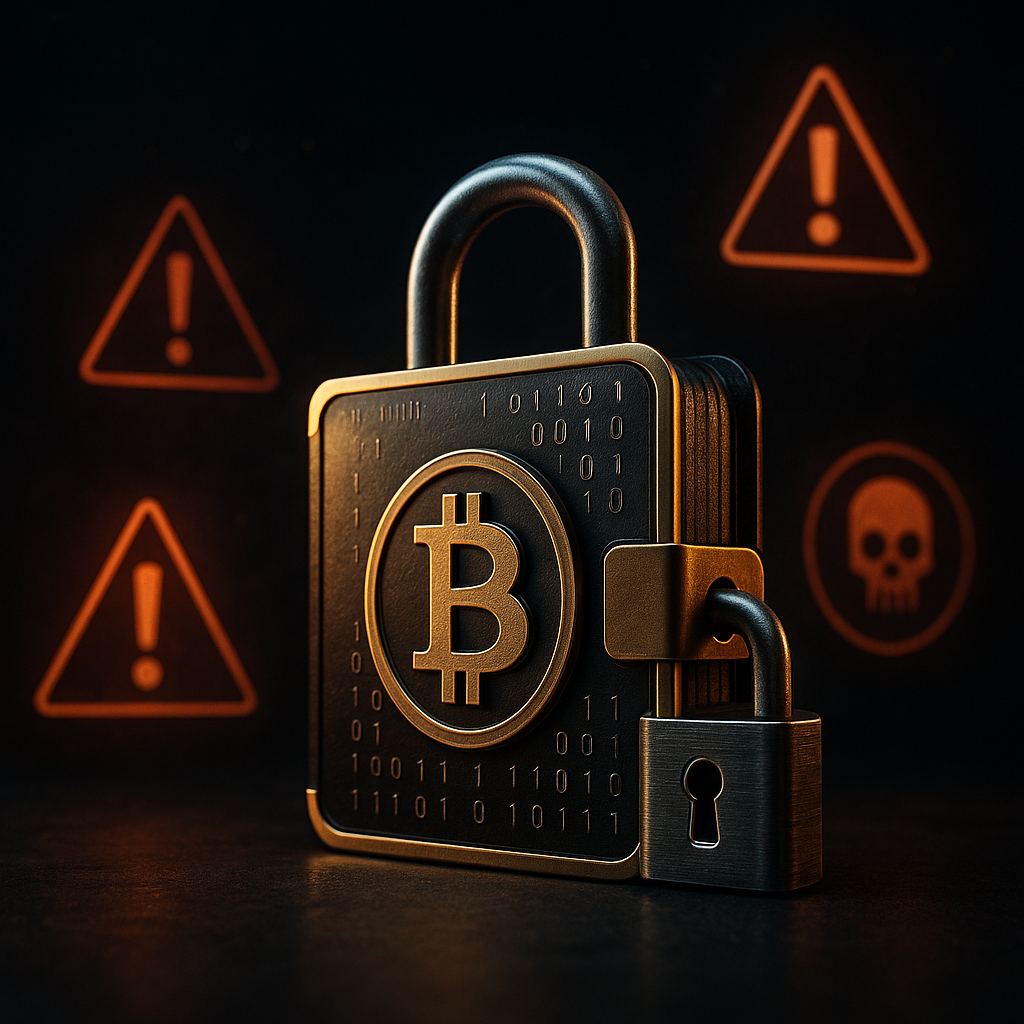
[IMAGE: A locked digital wallet surrounded by warning symbols | Alt: Web3 security best practices protecting a crypto wallet]
How Web3 Security Best Practices Actually Work
Let me break down the mechanics. Your wallet has a private key or seed phrase—a string of words that controls everything. Whoever holds it, owns your assets. Full stop.
So the first rule is brutal in its simplicity: never share your seed phrase. Not with "support," not with a website, not with anyone. Legitimate teams will never ask for it.
Next comes hardware wallets. Think of them like a physical safe versus a wallet in your pocket. A hardware wallet keeps your keys offline, so even a compromised computer can't sign transactions without physical confirmation.
Then there's transaction hygiene. Every time you interact with a dApp, you grant permissions. Ever wonder how wallets get drained even when the seed phrase stays safe? Malicious token approvals. You sign something granting unlimited spending access, and the attacker quietly empties your account later.
Here's a surprising fact: some approval exploits stay dormant for months before draining funds. That's why revoking unused approvals regularly matters.
Use tools to audit permissions. Verify contract addresses. Double-check URLs. But most importantly, slow down before signing anything. [LINK: how to revoke token approvals]
What's Happening Now in the Web3 Threat Landscape
The attack surface keeps evolving. And fast. Scammers now use AI-generated deepfake videos of founders promoting fake airdrops. What felt like sci-fi two years ago is a daily occurrence today.
Consider this analogy: it's an arms race, like locks and lockpicks. Every new security tool inspires a new bypass, and vice versa.
Phishing has gone industrial. Fake browser extensions, cloned websites ranking on search engines, and Discord servers hijacked overnight. But here's what I find interesting—the most damaging campaigns often look boring. A simple "verify your wallet" pop-up does more harm than any flashy exploit.
A genuinely surprising fact: address-poisoning scams trick users by sending tiny transactions from lookalike addresses, hoping you copy the wrong one from your history. People have lost millions by pasting a familiar-looking address.
Meanwhile, smart contract audits are becoming standard, and multi-signature wallets are gaining traction among serious holders. Wallet providers now flag suspicious transactions before you confirm them.
But technology alone won't save you. Are you actually reading those warnings, or clicking through? The industry is building guardrails, yet the final decision always lands on you. [LINK: understanding smart contract audits]
[IMAGE: A dashboard showing flagged suspicious crypto transactions | Alt: Web3 threat detection dashboard displaying security alerts]
What This Means for You
So where does this leave you? Practically, it means adopting a few non-negotiable habits.
Store your seed phrase offline, ideally on metal, never in a screenshot or cloud note. Use a hardware wallet for anything valuable. Keep a separate "hot" wallet with small amounts for daily dApp use—your experimental sandbox.
Bookmark official sites instead of Googling them. Verify addresses character by character. And revoke old approvals monthly.
In my view, the single best move is simply pausing before every signature. That two-second delay defeats most attacks. Because urgency is the scammer's favorite weapon.
You don't need to be a coder to stay safe. You just need consistent discipline. Think of it as buckling a seatbelt—small effort, massive protection. The users who lose funds rarely lack intelligence. They lack habits.
Frequently Asked Questions
Q: What are the most important Web3 security best practices for beginners?
A: Start with three essentials: never share your seed phrase, use a hardware wallet for significant funds, and verify every website and transaction before signing. These three habits alone prevent the vast majority of common crypto losses that beginners experience.
Q: How can I tell if a Web3 website or dApp is a scam?
A: Check the URL carefully for misspellings, confirm links through official social channels, and look for verified contract addresses. Be suspicious of urgency, guaranteed returns, or requests for your seed phrase. When in doubt, don't connect your wallet at all.
Q: Is a hardware wallet really necessary for Web3 security?
A: For meaningful amounts, yes. Hardware wallets keep private keys offline, so malware can't sign transactions without physical confirmation. For small daily-use funds, a reputable software wallet works, but never store your entire portfolio in a hot wallet connected online.
Final Thoughts
Web3 gives you freedom that traditional finance never could. But freedom demands responsibility. The Web3 security best practices covered here aren't complicated—they're mostly about slowing down, staying skeptical, and building steady habits that protect you from both hackers and your own hurried clicks.
Remember, the blockchain rarely fails. People do. So treat every signature like a signed contract and every link like a potential trap. It's a mindset shift, but once it clicks, safety becomes second nature.
Want to keep learning? Explore our other guides on wallet safety and start protecting your assets today.
