

TL;DR: A block explorer is your window into the blockchain, letting you track transactions, wallets, and network activity in real time. This beginner's guide shows you exactly how to use one.
How to Use a Block Explorer: A Beginner's Guide
Did you know that every single crypto transaction ever made is publicly visible forever? Learning how to use a block explorer unlocks that transparency, giving you access to the entire history of a blockchain. It's like having X-ray vision into a financial system that never sleeps. Whether you're verifying a payment or checking a wallet balance, this tool is essential.
What Is a Block Explorer and Why It Matters
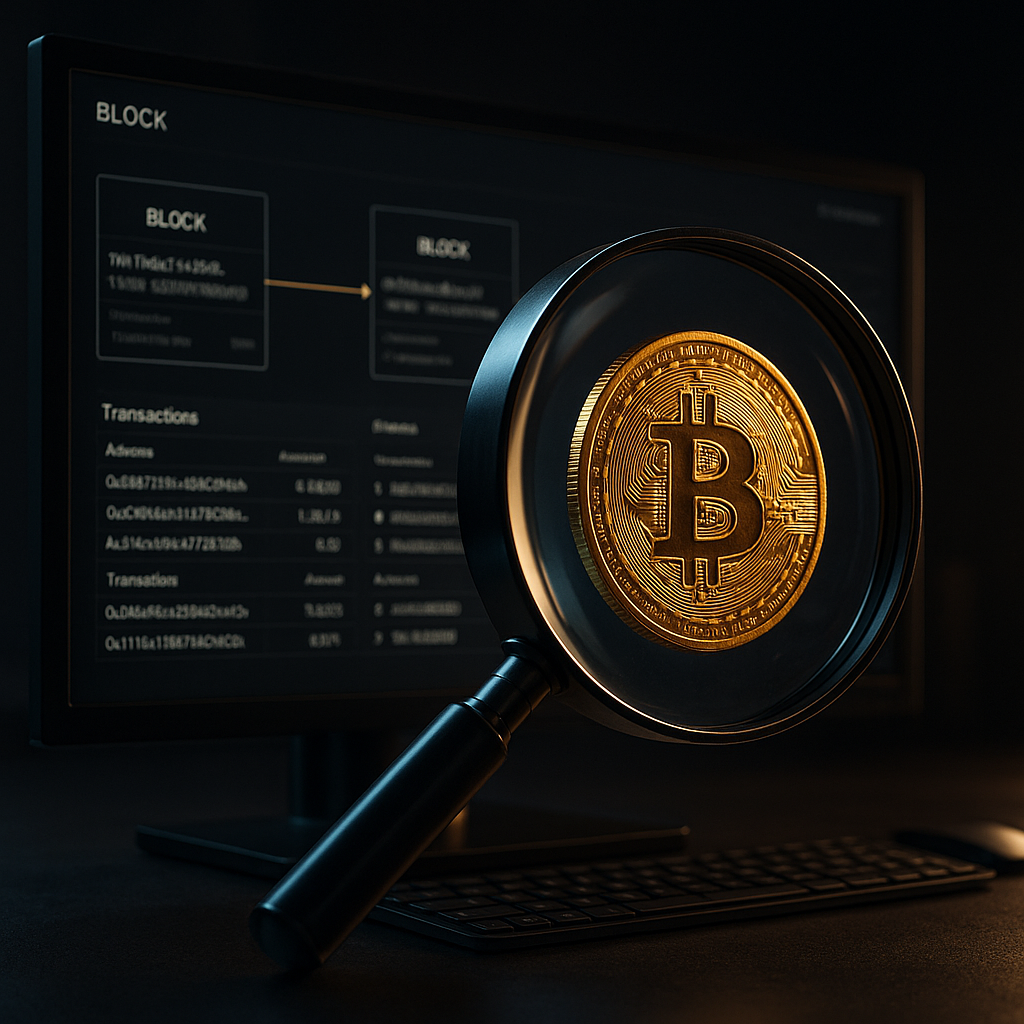
So what exactly is a block explorer? Think of it as a search engine for the blockchain. Just like Google helps you find websites, a block explorer helps you find transactions, wallet addresses, and blocks of data recorded on a network like Bitcoin or Ethereum.
Here's the thing. Blockchains are public by design, but the raw data is nearly impossible for humans to read. A block explorer translates that mess into clean, searchable information.
Why does this matter? Because trust in crypto comes from verification, not blind faith. Ever heard the phrase "don't trust, verify"? This is where you actually do it.
What most miss is that block explorers are completely free to use. You don't need an account, and you don't even need to own crypto. In my view, learning how to use a block explorer early saves beginners from countless headaches and scams. A surprising fact: some explorers process millions of queries daily, more than many mid-sized banks handle in transactions. That's how central these tools have become to the [LINK: crypto ecosystem].
[IMAGE: Screenshot of a block explorer homepage | Alt: how to use a block explorer beginner interface]
How to Use a Block Explorer Step by Step
Let's get practical. Learning how to use a block explorer isn't complicated once you know what to look for.
Start by picking an explorer. For Bitcoin, many people use Blockchain.com or Mempool.space. For Ethereum, Etherscan is the standard. Think of it this way: each blockchain has its own explorer, just like each country has its own postal system.
Next, grab a piece of information you want to look up. This could be a transaction ID (called a TXID or hash), a wallet address, or a block number. Paste it into the search bar.
But what will you actually see? For a transaction, you'll find the amount sent, the sender and receiver addresses, the fee paid, and the number of confirmations. More confirmations mean the transaction is more secure and irreversible.
And here's something surprising. You can watch transactions sitting in the "mempool," the waiting room before they're confirmed. It's oddly mesmerizing.
What I find interesting is how transparent everything becomes. You can trace funds moving between wallets, though you can't always see who owns them. Check out our [LINK: guide to crypto wallets] to understand addresses better.
What's Happening Now With Block Explorers
Block explorers have evolved way beyond simple transaction lookups. Today they're packed with features that even seasoned traders rely on daily.
Consider gas trackers on Ethereum. These tools show real-time network fees, helping you decide when to transact cheaply. Ever tried sending a transaction only to get slapped with a huge fee? A quick check on the explorer's gas tracker could've warned you.
Modern explorers also display token information, smart contract details, and NFT metadata. Think of it like a car dashboard that started with just a speedometer and now shows navigation, fuel efficiency, and engine diagnostics all at once.
Here's the thing about the current landscape. Many explorers now offer analytics dashboards showing whale movements, large transactions, and network congestion. Investigators and journalists use these to track stolen funds.
A surprising fact: after major hacks, community members often use block explorers to follow stolen crypto in real time, sometimes pressuring exchanges to freeze the funds. It's crowdsourced detective work.
So the tool that started as a simple viewer has become a powerful transparency engine. And in my view, that's one of crypto's most underrated superpowers.
[IMAGE: Ethereum gas tracker and analytics view | Alt: block explorer network fee tracking tools]
What This Means for You
So why should you care about all this? Because knowing how to read a block explorer puts real power in your hands.
Sent crypto to a friend and worried it didn't arrive? Check the explorer. You'll see exactly where it is. Suspicious about a project asking for a deposit? Look up their wallet history first.
Think about it this way. A block explorer is like a receipt system that nobody can fake or delete. Before trusting anyone in crypto, you can verify their claims yourself.
For beginners, this builds confidence fast. You stop feeling helpless and start understanding how blockchains actually behave. And honestly, that shift changes everything about how safely you navigate this space. Bookmark your favorite explorer today.
Frequently Asked Questions
Q: How do I use a block explorer to check if my transaction went through?
A: Copy your transaction ID or wallet address, then paste it into the search bar of an explorer like Etherscan or Blockchain.com. Look for the confirmation count. Once it shows one or more confirmations, your transaction is processed and recorded on the blockchain permanently.
Q: Are block explorers free to use?
A: Yes, block explorers are completely free and require no registration. You can search transactions, wallets, and blocks without owning any cryptocurrency. Some explorers offer premium API access for developers, but everyday users never need to pay anything to view public blockchain data.
Q: Can a block explorer show who owns a wallet?
A: No, block explorers show wallet addresses and their transaction history, but not real identities. Crypto addresses are pseudonymous. However, if an address has been publicly linked to an exchange or person, analysts can sometimes connect activity to a known entity.
Final Thoughts
Mastering how to use a block explorer is one of the smartest moves any crypto beginner can make. It transforms you from a passive user into someone who verifies everything independently. But more importantly, it gives you peace of mind in a space where scams and mistakes happen fast.
Here's my honest take. The people who thrive in crypto aren't the ones who trust blindly. They're the ones who check the data themselves. And now you know exactly how to do that.
Ready to try it? Open a block explorer, look up a transaction, and see the blockchain come alive for yourself.
