


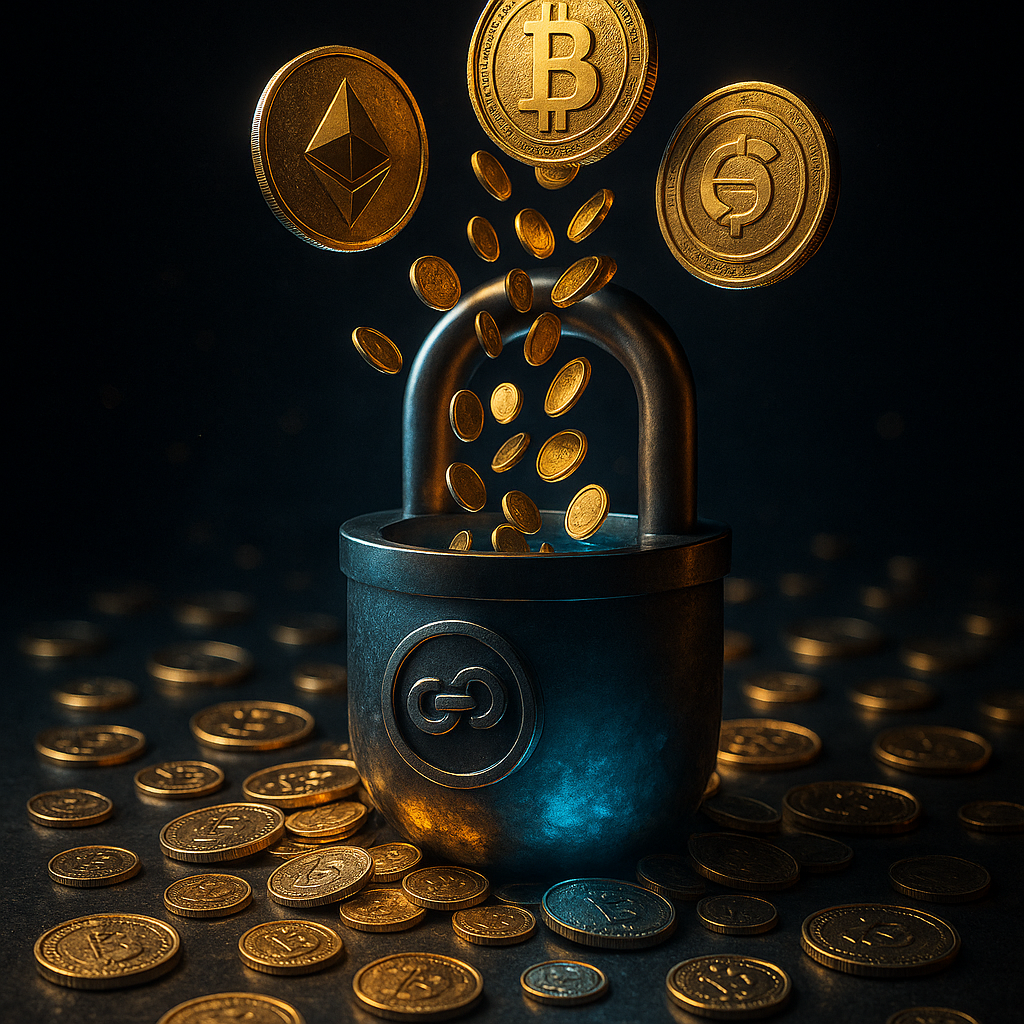
TL;DR: A crypto liquidity pool is a shared pot of tokens that lets people trade without traditional buyers or sellers. It powers most decentralized exchanges you use today.
What Is a Crypto Liquidity Pool? The Truth Explained
What is a crypto liquidity pool, and why does nearly every decentralized exchange depend on one? Here's a surprising fact: the first automated liquidity pools helped power over $1 trillion in trading volume within just a few years. Understanding what is a crypto liquidity pool isn't just for developers anymore. It's essential knowledge for anyone touching DeFi.
What Is a Crypto Liquidity Pool and Why It Matters
So let's break it down simply. A crypto liquidity pool is a collection of tokens locked in a smart contract. Traders swap against this pool instead of matching with another person. No order book. No waiting for a buyer.
Think about it this way. Imagine a vending machine stocked with snacks. You don't negotiate with anyone. You put money in, and you get your item instantly. A liquidity pool works the same way for crypto swaps.
Why does this matter? Because traditional exchanges rely on market makers and order books, which get slow and expensive on-chain. Liquidity pools solved that. They made [LINK: decentralized finance] actually usable.
What I find interesting is how ordinary users became the backbone here. Anyone can deposit tokens and earn fees. Surprising fact: some pools distribute fees to thousands of small contributors who never touch a trading desk. In my view, that democratization is the real revolution behind these systems.
[IMAGE: Diagram of tokens flowing into a smart contract pool | Alt: what is a crypto liquidity pool visual explanation]
What Is a Crypto Liquidity Pool: How It Actually Works
Now let's go deeper into the mechanics. Every liquidity pool holds two tokens, often paired like ETH and USDC. These pools use something called an automated market maker, or AMM. It's a formula that sets prices automatically based on the ratio of tokens inside.
Here's the thing. When you buy one token, you add the other. That shifts the ratio, which shifts the price. The famous formula is x times y equals k, keeping the pool balanced no matter what.
Consider a seesaw. Push one side down, the other rises. Add a lot of one token, and its price drops while the paired token climbs. That's the AMM at work.
But who supplies the tokens? Liquidity providers do. They deposit equal values of both assets and receive LP tokens as a receipt. These represent their share and can be redeemed later, plus earned fees.
Ever wonder how providers get paid? Every swap charges a small fee, often 0.3 percent, split among providers. Surprising fact: during volatile weeks, some pools generate higher yields than most savings accounts do in years. Just remember [LINK: impermanent loss] can eat into those gains.
The Impact and What's Happening Now
Liquidity pools have reshaped finance faster than most people realize. Billions of dollars now sit in these smart contracts, running without banks or brokers. And the growth hasn't stopped.
Platforms like Uniswap, Curve, and Balancer pushed innovation constantly. Newer pools offer concentrated liquidity, letting providers focus their capital in specific price ranges. That means better efficiency and higher potential returns.
Think about it this way. Old pools spread money thin across every possible price. Concentrated liquidity is like a fisherman casting nets exactly where the fish swim. Smarter placement, bigger catch.
What most miss is the ripple effect on the broader economy. These pools enable lending, borrowing, and even complex derivatives. They form the plumbing beneath entire [LINK: DeFi protocols] ecosystems.
But it's not all smooth. Hacks and exploits have drained pools before. Surprising fact: one single exploit once removed over $600 million from a connected protocol in minutes. So security audits matter enormously now.
In my view, regulation is the next big wave. Governments are watching yield farming closely. That tension between openness and oversight will shape how these pools evolve.
[IMAGE: Chart showing total value locked across major liquidity pools | Alt: crypto liquidity pool growth statistics]
What This Means for You
So where does this leave you? If you're exploring DeFi, liquidity pools offer real earning potential. But they demand caution.
Start small. Pick established platforms with solid audit histories. Understand impermanent loss before you deposit, because it's the silent gain-killer many beginners ignore.
Here's the thing. Yield looks tempting, but risk is real. A pool paying 40 percent might vanish overnight if the token collapses. Ask yourself honestly: can you handle that volatility?
Think of it like planting a garden. Some plots flourish, others fail from bad weather. Diversify, research, and never invest what you can't lose.
What I find interesting is how accessible this all became. You don't need permission or a broker. Just a wallet and knowledge. And that knowledge is your biggest protection here.
Frequently Asked Questions
Q: What is a crypto liquidity pool in simple terms?
A: It's a shared collection of tokens locked in a smart contract that lets people trade cryptocurrencies instantly. Instead of matching buyers with sellers, traders swap directly against the pool, while contributors called liquidity providers earn fees from every transaction that happens.
Q: How do you make money from liquidity pools?
A: You earn by depositing token pairs and collecting a share of trading fees, usually around 0.3 percent per swap. Some pools also offer bonus rewards through yield farming. However, watch for impermanent loss, which can reduce your overall returns significantly.
Q: Are crypto liquidity pools safe?
A: They carry real risks, including smart contract exploits, impermanent loss, and token collapses. Established pools with security audits are safer, but nothing is guaranteed. Always research thoroughly, start with small amounts, and only use platforms with proven track records and transparency.
Final Thoughts
Understanding what is a crypto liquidity pool gives you a serious edge in today's DeFi landscape. These pools power the swaps, yields, and platforms millions rely on daily. They're clever, powerful, and yes, occasionally risky.
But knowledge changes everything. Once you grasp how AMMs, LP tokens, and fees connect, the whole ecosystem stops feeling mysterious. It starts feeling like opportunity.
So take your time. Learn the mechanics, weigh the risks, and never rush into high yields blindly. In my view, the smartest investors are the patient ones.
Ready to dive deeper? Explore our beginner guides and start your DeFi journey with confidence today.
