


TL;DR: Asset tokenization turns real-world assets into digital tokens you can trade fast and fractionally. Here's why it's reshaping finance for everyday investors.
Benefits of Asset Tokenization: What You Need to Know
What if you could own a slice of a Manhattan skyscraper for the price of a coffee? The benefits of asset tokenization make that scenario real, not science fiction. Globally, tokenized real-world assets could hit $16 trillion by 2030, according to Boston Consulting Group estimates. That's a staggering number. And it signals a shift most investors haven't fully grasped yet.
Why the Benefits of Asset Tokenization Matter Right Now
Let's start with the obvious question. Why should you care about turning physical assets into digital tokens?
Here's the thing. Traditional assets like real estate, fine art, and private equity have always been locked behind high walls. You needed serious money, the right connections, and a lot of patience. Tokenization tears those walls down.
Think about it this way. A painting worth $10 million is impossible for most people to own. But split into 10,000 tokens, suddenly a $1,000 stake is within reach. That's fractional ownership in action.
What I find interesting is the liquidity angle. Surprising fact: real estate transactions traditionally take 30 to 90 days to close, but tokenized property can change hands in minutes. That speed alone changes the game.
In my view, the democratization of wealth-building tools is the biggest deal here. Blockchain technology removes middlemen, cuts costs, and opens markets to ordinary folks. So the benefits of asset tokenization aren't just technical perks. They're a genuine reshaping of who gets to participate in finance.
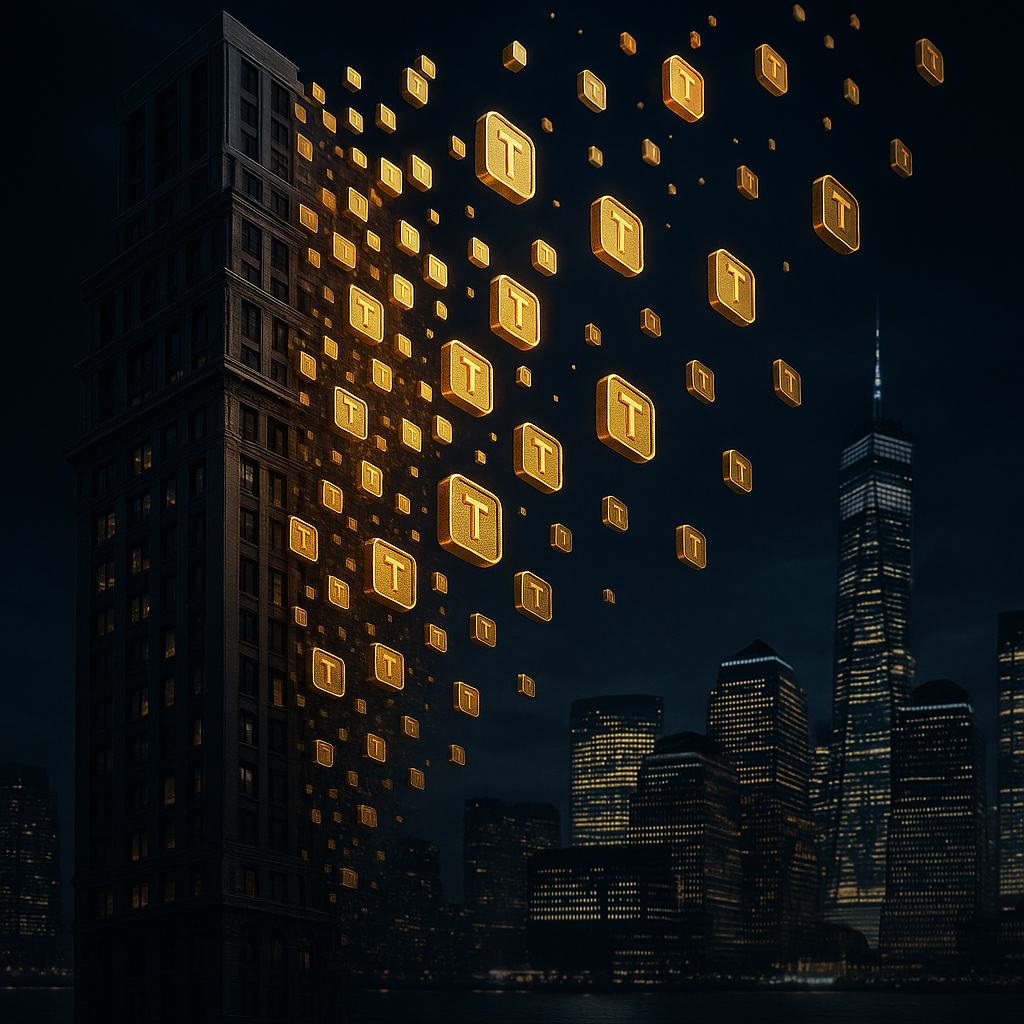
[IMAGE: Digital tokens floating above a city skyline | Alt: benefits of asset tokenization for real estate investors]
How the Benefits of Asset Tokenization Actually Work
So how does this magic happen under the hood? It's simpler than you'd think.
An asset gets represented as a token on a blockchain. That token carries proof of ownership, recorded on an immutable ledger. No paper deeds. No central registry that can be tampered with.
Picture a deed to a house. Now imagine that deed broken into thousands of digital shares, each one tradeable around the clock. That's tokenization in a nutshell.
The process usually involves smart contracts. These self-executing agreements handle dividends, transfers, and compliance automatically. But here's what most miss: the rules get baked directly into the code. So if you're owed a quarterly payout from a tokenized commercial building, the smart contract sends it without anyone lifting a finger.
Surprising fact: some platforms now settle tokenized bond trades in seconds rather than the standard two business days. Because the blockchain validates everything instantly, intermediaries become optional.
And security? The decentralized nature means there's no single point of failure. What does that mean for you? Less fraud risk and more transparency. Every transaction is visible and verifiable. That's the foundation that makes the whole system trustworthy.
[LINK: Learn more about how blockchain technology powers digital ownership]
What's Happening Now in the Tokenization Space
The momentum is real, and big players are paying attention.
BlackRock launched a tokenized money market fund. JPMorgan has run tokenized collateral transactions worth billions. These aren't crypto startups. They're the most established names in traditional finance.
Think of it like the early days of online banking. At first, people were skeptical. Then it became unavoidable. Tokenization is following a similar adoption curve, just faster.
Real estate leads the charge, but it's spreading. Tokenized treasury bonds, carbon credits, commodities, and even music royalties are entering the market. Surprising fact: there's a platform where you can buy fractional ownership in a vintage Ferrari and earn returns when it appreciates.
But isn't there regulatory uncertainty? Absolutely. Governments are still figuring out how to classify and govern these digital assets. Some regions, like Switzerland and Singapore, have moved quickly with clear frameworks. Others lag behind.
In my view, this regulatory patchwork is the biggest hurdle right now. Yet progress continues. The European Union's MiCA regulation is bringing clarity, and tokenized securities are gaining legal recognition in more jurisdictions every quarter. The infrastructure is maturing rapidly.
[IMAGE: Financial institutions adopting tokenized assets dashboard | Alt: tokenized real-world assets adoption growth chart]
What This Means for You
So where does all this leave the average investor?
Opportunity, mostly. You no longer need to be wealthy to access premium asset classes. Want exposure to commercial real estate, fine wine, or private credit? Tokenization opens those doors.
But proceed with eyes open. This is still an evolving space. Do your homework on the platform, the underlying asset, and the legal protections behind your tokens. Not every project is legitimate.
Here's my practical advice. Start small. Treat tokenized assets as one slice of a diversified portfolio, not your entire strategy. Understand the liquidity claims, since some tokens trade thinly despite the promise of easy selling.
And watch the regulatory landscape closely. Rules shape returns. The smart move? Stay informed and treat tokenization as a long-term trend worth understanding now, before it goes fully mainstream.
Frequently Asked Questions
Q: What is asset tokenization in simple terms?
A: Asset tokenization is converting ownership rights of a real-world asset, like real estate or art, into digital tokens on a blockchain. Each token represents a share of that asset, allowing fractional ownership, faster trading, and broader access for investors who couldn't otherwise afford the full asset.
Q: Is asset tokenization safe for everyday investors?
A: It can be, but safety depends on the platform and asset. Blockchain offers transparency and reduced fraud risk. However, regulatory gaps, liquidity issues, and platform reliability vary widely. Always research thoroughly, start with small amounts, and verify legal protections before investing your money.
Q: What types of assets can be tokenized?
A: Almost any asset with value can be tokenized. Common examples include real estate, fine art, commodities like gold, private equity, bonds, carbon credits, and even music royalties. The technology works for both physical and intangible assets, as long as ownership rights can be clearly defined.
Final Thoughts
The benefits of asset tokenization go far beyond technical novelty. They represent a fundamental shift in how ownership works, who gets access, and how quickly value moves through markets. Fractional ownership, improved liquidity, lower costs, and greater transparency aren't just buzzwords. They're real advantages reshaping finance today.
Will tokenization replace traditional investing entirely? Probably not soon. But ignoring it would be a mistake. The trend is accelerating, and early understanding pays off.
If you're curious about getting started, take time to explore reputable platforms and learn the basics first. Your future portfolio might thank you for paying attention now.
