
TL;DR: NFTs are blockchain-based proof of ownership for digital items, and understanding how they work reveals both the hype and the hidden risks. Here's the honest breakdown nobody gives you.
How NFTs Work Explained: The Truth Nobody Talks About
Did you know someone once paid $69 million for a JPEG that anyone could right-click and save? That's the strange reality of how NFTs work, and most people still don't truly get it. Understanding how NFTs work isn't about jumping on a trend. It's about seeing past the noise to what's actually happening on the blockchain.
What Is an NFT and Why How NFTs Work Matters
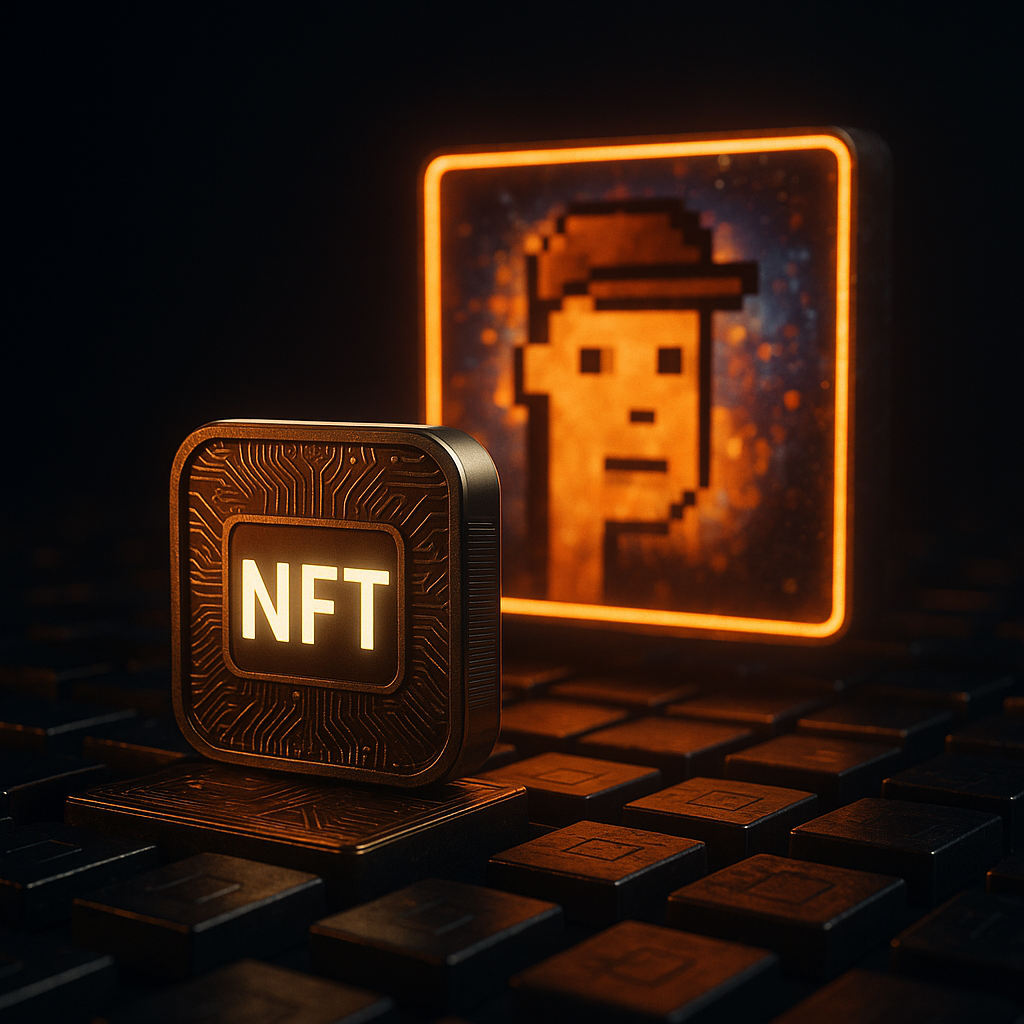
Let's start simple. An NFT, or non-fungible token, is a unique digital certificate stored on a blockchain. Think about it this way: a dollar bill is fungible because you can swap it for any other dollar and lose nothing. But a signed original painting? That's non-fungible. It's one of a kind.
Understanding how NFTs work matters because the entire concept rests on verifiable scarcity in a digital world where copying is free. What most miss is that the NFT itself usually doesn't store the image. It stores a pointer to it, plus a record of who owns that token.
Here's a surprising fact: the first NFT, "Quantum," was minted back in 2014, years before the craze exploded. In my view, the technology was misunderstood from day one. People bought hype, not utility.
So why does ownership of a digital token mean anything? Because the blockchain creates a public, tamper-proof ledger. And that ledger is the real innovation here.
[IMAGE: Diagram of an NFT token linked to a digital artwork | Alt: How NFTs work shown through blockchain ownership]
How NFTs Work Under the Hood: A Deep Dive
Now let's pop the hood. When someone "mints" an NFT, they create a token on a blockchain like Ethereum using a standard such as ERC-721. This smart contract assigns a unique ID and records the owner's wallet address.
Here's the thing nobody tells beginners: the actual artwork often lives somewhere else entirely. Sometimes on a centralized server, sometimes on decentralized storage like IPFS. The blockchain just holds the receipt.
Think about it this way. Buying an NFT is like buying the deed to a house, except the house might be stored in someone else's garage. If that garage burns down, your deed still exists, but the thing it points to could vanish.
A surprising fact: gas fees to mint an NFT once spiked so high that creators paid more in transaction costs than their art sold for. Smart contracts also enable royalties, meaning artists can earn a cut every time their work resells. That part genuinely excites me.
But what happens if the platform disappears? This is where blockchain technology and decentralized storage become critical safeguards. Without them, your "permanent" asset is anything but. [LINK: beginner's guide to crypto wallets]
What's Happening Now in the NFT Market
So where does the NFT world stand today? After the manic 2021 boom, trading volumes crashed hard. Many "blue chip" collections lost over 90% of their value. Brutal.
But here's what's interesting. The speculation washed out, and builders stayed. Brands like Nike and Adidas quietly kept experimenting. Gaming studios began using NFTs for in-game items you actually own.
A surprising fact: a large percentage of NFTs minted during the peak now have a market value of essentially zero. That's the part the influencers conveniently forgot to mention.
Think of it like the dot-com bubble. Most companies died, but Amazon and Google emerged from the wreckage. The same shakeout is happening with NFTs and digital ownership right now.
What I find interesting is the pivot toward utility. Event tickets, identity verification, membership passes. These use real-world applications that don't depend on flipping pictures of apes.
Is the hype dead? Maybe. But the underlying tech keeps maturing in the background, far from the headlines.
[IMAGE: Chart showing NFT trading volume rise and crash | Alt: NFT market trends explaining how NFTs work today]
What This Means for You
So what should you actually do with all this? First, slow down. The fear of missing out drove most NFT losses, and it'll do it again.
If you're curious, start small and learn the mechanics before spending real money. Set up a wallet, mint a free NFT, and watch how the transaction appears on the blockchain. Experience teaches faster than any thread.
And ask yourself honestly: are you buying for utility, community, or pure speculation? There's no wrong answer, but lying to yourself is expensive.
In my view, the smartest move is treating NFTs as a learning tool first and an investment second. The skills you build understanding blockchain technology will outlast any single trend. [LINK: how to spot NFT scams]
Frequently Asked Questions
Q: How do NFTs actually work in simple terms?
A: An NFT is a unique token recorded on a blockchain that proves who owns a specific digital item. The blockchain stores ownership data publicly, while the actual file often lives elsewhere. You own the verifiable certificate, not always the file itself.
Q: Can someone copy my NFT and make it worthless?
A: Anyone can copy the image an NFT points to, but they can't copy your verified ownership on the blockchain. Value comes from provable authenticity, not from the file being uncopyable. Still, market demand ultimately decides worth.
Q: Are NFTs a good investment in today's market?
A: For most people, no. The market is volatile and speculative, and the majority of NFTs lose value fast. Treat them as experiments or collectibles you genuinely enjoy, not guaranteed profit. Never invest money you can't afford to lose.
Final Thoughts
Once you strip away the hype, how NFTs work becomes refreshingly clear. They're cryptographic proof of ownership recorded on a public ledger, nothing more magical and nothing less powerful. The 2021 frenzy gave NFTs a bad name, but the underlying technology keeps finding real uses in gaming, ticketing, and identity. What I find interesting is that the quiet builders, not the loud speculators, are shaping the future. So stay curious, stay skeptical, and keep learning. If this breakdown helped clarify things, explore our other guides and dive deeper before making any moves in the space.
