

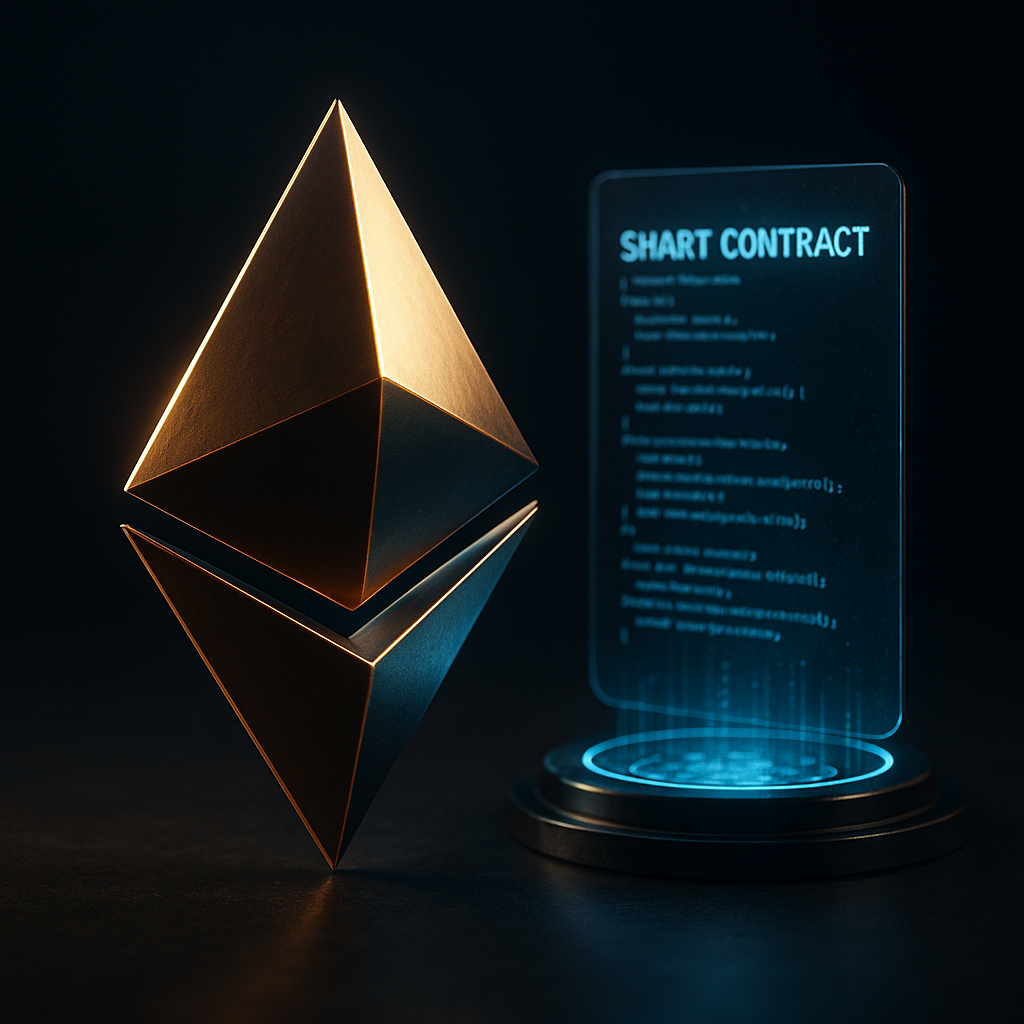
TL;DR: Smart contracts are self-executing code that run automatically when conditions are met. They cut out middlemen, but they're not as flawless as the hype suggests.
What Are Smart Contracts? The Truth Nobody Talks About
Here's a fact that surprises most people: over $3 trillion in value has flowed through smart contracts, yet most users couldn't explain what are smart contracts if you asked them at a party. So let's fix that. What are smart contracts, really? They're not legal documents, and they're definitely not as "smart" as the name promises.
What Are Smart Contracts and Why They Matter
Think about it this way. A smart contract is a piece of code stored on a blockchain that runs automatically when certain conditions are met. No lawyers. No banks. No waiting three business days.
Imagine a vending machine. You put in a dollar, press B4, and out drops a candy bar. The machine doesn't need a cashier to approve the sale. It just executes. That's the simplest analogy for how these contracts behave.
But here's the thing most people miss. The "contract" part is misleading. It's really just software with a fancy legal-sounding name coined by Nick Szabo back in 1994, long before Ethereum existed.
Why does this matter? Because smart contracts remove the need to trust a middleman. The code becomes the authority. In my view, that's both the greatest strength and the scariest weakness of the whole system. When code decides, there's no customer service line to call.
[IMAGE: Vending machine compared to blockchain code | Alt: what are smart contracts vending machine analogy]
What Are Smart Contracts Doing Under the Hood?
So how does the magic actually work? Let's go deeper.
A developer writes code, usually in a language like Solidity for Ethereum. That code gets deployed onto the blockchain, where thousands of computers store an identical copy. When someone triggers the contract, every node runs the same instructions and agrees on the outcome.
Here's a surprising fact: once deployed, most smart contracts can't be changed. Ever. If there's a bug, it stays there permanently, like a typo carved into stone.
Think of it like a recipe that a whole kitchen full of chefs follows simultaneously. If they all get the same result, the dish is served. If one chef disagrees, the meal doesn't happen. That consensus is what keeps things honest.
And every action costs "gas," a small fee paid to the network for computing power. Complex contracts cost more. Simple ones cost less.
What I find interesting is how composable these things are. One contract can call another, stacking functions like Lego bricks. That's how entire [LINK: decentralized finance ecosystems] get built. But complexity breeds risk, and that risk is where trouble usually starts.
What's Happening Now With Smart Contracts
Right now, smart contracts power nearly everything in Web3. DeFi lending, NFT marketplaces, DAOs, token swaps, insurance payouts. If it lives on a blockchain, a contract is probably running it.
But here's the truth nobody talks about. These contracts get hacked. A lot.
A staggering fact: over $1.5 billion was lost to smart contract exploits in a single year, according to multiple security firms. The famous DAO hack in 2016 drained around $60 million and forced Ethereum to split into two chains.
Think of it like leaving a bank vault door with a lock anyone can inspect. Transparency is great for trust, but it also hands attackers a blueprint. Every line of code is public. Every weakness is visible to someone patient enough to look.
So the industry adapted. Now we have audits, bug bounties, and formal verification tools. Projects pay firms to break their code before criminals do.
Isn't it ironic that a technology built to remove trust now depends heavily on trusting auditors? And yet, the momentum hasn't slowed. Institutions are experimenting with tokenized bonds and automated settlements. The tech is maturing, slowly, learning from expensive mistakes along the way. [LINK: crypto security best practices]
[IMAGE: Hacker inspecting transparent blockchain code | Alt: smart contract security risks and exploits]
What This Means for You
So where does this leave you? Somewhere between excited and cautious, hopefully.
If you're using DeFi or buying NFTs, you're already interacting with smart contracts whether you realize it or not. Every "approve" button you click grants a contract permission to move your funds. That's powerful and dangerous.
Here's my honest advice. Never approve unlimited token access without thinking. Revoke old permissions regularly. And stick to protocols that have been audited and battle-tested over time.
Think of it like signing a document. You wouldn't sign a blank page, would you? Yet people do the digital equivalent daily.
What most miss is that understanding the basics protects your money. You don't need to code. You just need healthy skepticism and a habit of double-checking before you click confirm on anything.
Frequently Asked Questions
Q: Are smart contracts legally binding?
A: Not usually on their own. A smart contract executes code automatically, but whether courts recognize it as a legal agreement depends on your jurisdiction. Some regions are updating laws, but most still treat the code and traditional legal contracts as separate, distinct things.
Q: Can smart contracts be hacked?
A: Yes, absolutely. While the blockchain itself is highly secure, the code written on top can contain bugs or flaws. Attackers exploit these weaknesses to drain funds. This is why professional audits, testing, and bug bounties have become essential before any major deployment.
Q: Do you need to know how to code to use smart contracts?
A: No, you don't. Most people interact with smart contracts through user-friendly apps and wallets that hide the technical complexity. You simply click buttons to swap tokens or lend crypto. However, understanding the basics helps you avoid scams and costly mistakes.
Final Thoughts
So what are smart contracts when you strip away the buzzwords? They're powerful, automated tools that can reshape finance, ownership, and trust itself. But they're not perfect, and they're certainly not infallible. The truth nobody talks about is that this technology carries real risks alongside genuine promise.
In my view, smart contracts represent one of blockchain's most exciting innovations, provided you approach them with open eyes. Do your research. Verify before you trust. And never invest more than you're willing to lose to a bug.
Want to go deeper? Explore our other guides and start learning before you click that next confirm button.
