

TL;DR: A crypto exchange is the digital marketplace where you buy, sell, and trade cryptocurrencies. This guide breaks down how they work, why they matter, and what you must know before using one.
What Is a Crypto Exchange? The Truth You Need to Know
What is a crypto exchange, really? Most people assume it's just a fancy app for buying Bitcoin, but the truth runs much deeper. In fact, the largest crypto exchanges process more daily volume than some national stock markets. So before you click "buy," you need to understand what's actually happening behind that sleek interface.
What Is a Crypto Exchange and Why It Matters
Let's start simple. A crypto exchange is a platform that connects buyers and sellers of digital assets like Bitcoin, Ethereum, and thousands of altcoins. Think of it like a bustling currency booth at an international airport, but operating 24/7 and powered by code instead of cashiers.
Here's the thing. Without exchanges, crypto would be nearly impossible for ordinary people to access. They're the on-ramp between traditional money and the blockchain world.
But why does this matter to you? Because the exchange you choose controls your access, your fees, and sometimes even your funds. What most miss is that not all exchanges are created equal. Some hold your crypto for you. Others let you keep full control.
Surprising fact: there are over 600 crypto exchanges operating globally, yet just a handful handle the vast majority of trading volume. In my view, that concentration is both convenient and risky. Choosing wisely isn't optional—it's essential for protecting your money.
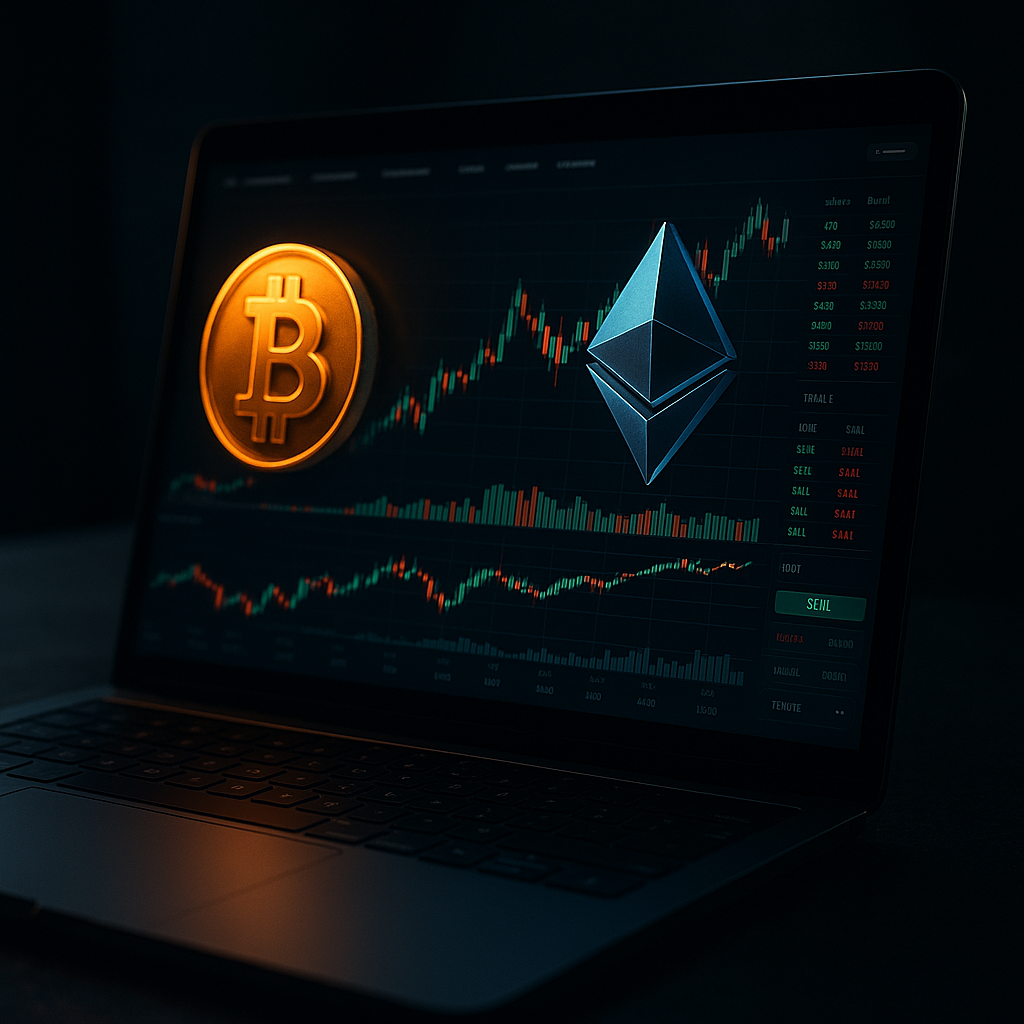
[IMAGE: A modern crypto exchange dashboard on a laptop screen | Alt: what is a crypto exchange platform interface]
What Is a Crypto Exchange Doing Behind the Scenes? How It Works
So what actually happens when you place a trade? More than you'd think.
When you buy crypto, the exchange matches your order with someone selling. This happens through an order book—a constantly updating list of buy and sell orders. Think about it this way: it's like a giant auction house where prices shift second by second based on supply and demand.
Centralized exchanges (CEXs) act as middlemen. They hold your funds, manage the order book, and execute trades for you. Decentralized exchanges (DEXs), on the other hand, let users trade directly through smart contracts, with no company in the middle.
And here's something wild. Some high-volume exchanges execute trades in microseconds, faster than you can blink. That speed is what keeps prices stable even during heavy trading.
But there's a catch. With centralized platforms, you're trusting them to safeguard your assets. "Not your keys, not your coins" became a crypto mantra for a reason. What I find interesting is how many users still ignore that warning.
Understanding the mechanics helps you avoid costly mistakes and pick the right tool for your goals.
[LINK: How to choose a secure crypto wallet]
The Impact: What's Happening Now in the Exchange World
The crypto exchange landscape is changing fast. Regulators worldwide are tightening rules, demanding stricter identity verification and transparency. Because of high-profile collapses—remember FTX?—trust has become the new battleground.
So what's the result? Exchanges are racing to prove they're safe. Many now publish "proof of reserves," cryptographic evidence that they actually hold the funds they claim. It's a bit like a bank opening its vault for public inspection, except done with blockchain math.
Meanwhile, decentralized exchanges keep gaining ground. They appeal to users who refuse to hand over control of their assets. The surprising fact here? DEX trading volume has surged into the hundreds of billions annually, even though most beginners still start with centralized platforms.
There's also the rise of hybrid models, which blend the convenience of CEXs with the security of DEXs. In my view, this is where the industry is heading next.
But here's a real question: should you trust an exchange with your life savings? Probably not. Spreading risk and using secure storage matters more than ever. The smartest users treat exchanges as trading hubs, not long-term vaults.
[IMAGE: Chart showing growth of decentralized exchange trading volume | Alt: crypto exchange market growth trends]
What This Means for You
So where does this leave you? In a position of power, actually—if you act wisely.
Start by choosing a reputable exchange with strong security, clear fees, and a solid track record. Don't just pick the one with the flashiest ads. Compare them.
Next, never leave large amounts sitting on an exchange. Move your long-term holdings to a private wallet you control. Remember that mantra about keys.
And finally, enable two-factor authentication immediately. It's a small step that blocks most hacking attempts.
What I find interesting is how many losses come not from market crashes, but from poor security habits. You can't control crypto prices. But you absolutely can control how safely you store and trade your assets. That's where your real edge lies.
Frequently Asked Questions
Q: What is a crypto exchange in simple terms?
A: A crypto exchange is an online platform where you can buy, sell, and trade cryptocurrencies like Bitcoin and Ethereum. It connects buyers with sellers, handles transactions, and often lets you convert traditional money into digital assets quickly and securely.
Q: Is it safe to keep my crypto on an exchange?
A: It's generally fine for short-term trading, but not ideal for long-term storage. Exchanges can be hacked or face financial trouble. For larger holdings, transfer your crypto to a private wallet where you control the security keys yourself.
Q: What's the difference between centralized and decentralized exchanges?
A: Centralized exchanges act as middlemen, holding your funds and managing trades for you. Decentralized exchanges let you trade directly from your wallet using smart contracts, giving you full control of your assets but requiring more technical know-how.
Final Thoughts
So now you know the truth. Understanding what is a crypto exchange isn't just trivia—it's the foundation of safe, smart investing in digital assets. These platforms are powerful gateways, but they come with real responsibilities. Choose carefully, protect your keys, and never blindly trust a single company with everything you own.
Here's the bottom line. The right knowledge turns risk into opportunity. You don't need to be an expert overnight, but you do need to stay curious and cautious.
Ready to take the next step? Explore our beginner guides, compare top platforms, and start your crypto journey with confidence today.
