
TL;DR: Creating an NFT is easier than most people think, but the details—like blockchain choice and gas fees—can trip you up. Here's everything you need before minting your first token.
How to Create an NFT: What You Need to Know First
Did you know someone once sold a single pixel as an NFT? Learning how to create an NFT opens a door to a market that generated billions in trading volume at its peak. But knowing how to create an NFT isn't just about clicking a "mint" button. There's real strategy behind it. And skipping the basics can cost you more than you'd expect.
Why Learning How to Create an NFT Matters
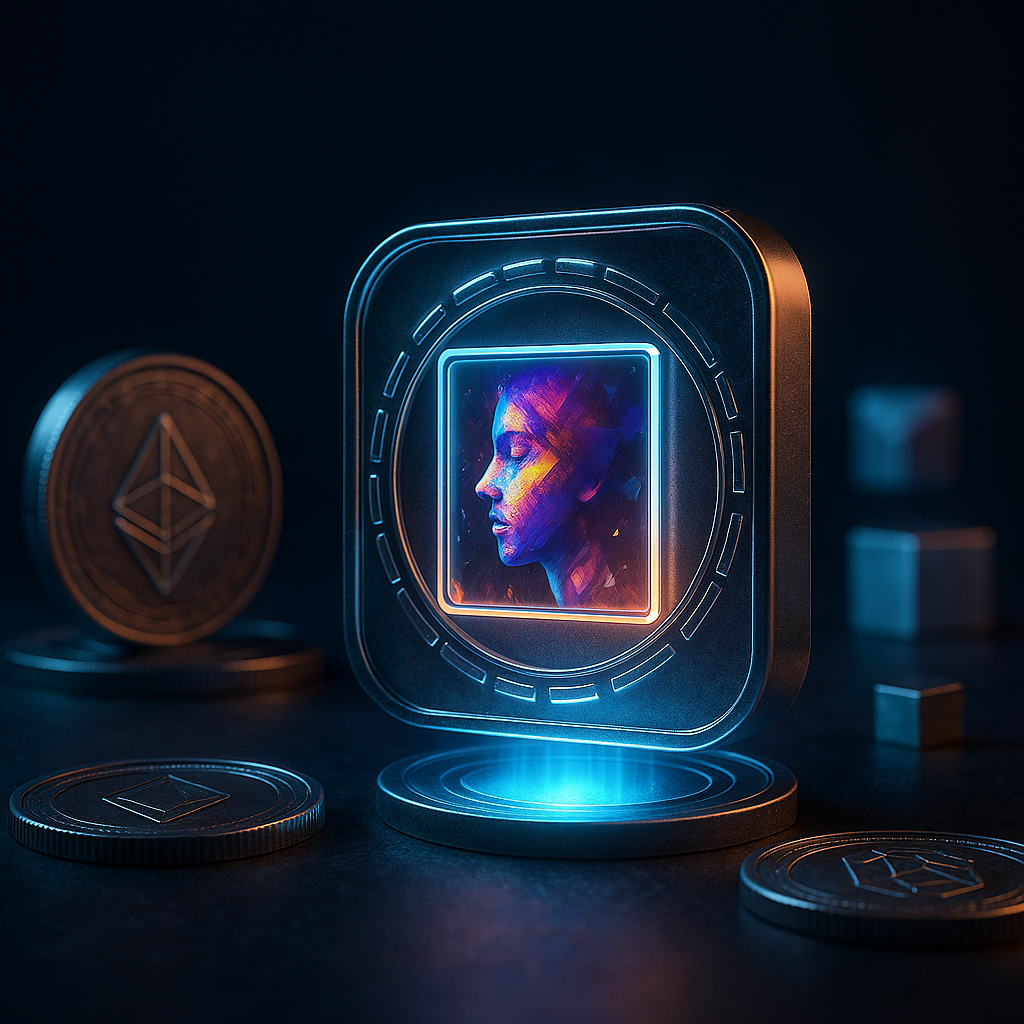
Here's the thing. An NFT, or non-fungible token, is a unique digital certificate stored on a blockchain that proves ownership of an asset. That asset could be art, music, a video clip, or even a tweet. What most miss is that the NFT itself isn't usually the file—it's the proof of ownership pointing to it.
Think about it this way. Owning an NFT is like holding the original signed painting while everyone else has posters. The copies exist, but only one person holds the authenticated original.
Why does this matter for you? Because the barrier to entry has never been lower. Artists who once needed galleries can now reach global buyers directly.
Surprisingly, the first NFT was created back in 2014, years before the hype exploded. In my view, understanding this history helps you avoid treating NFTs as a get-rich-quick scheme. They're tools for digital ownership. Whether you're a creator or collector, that shift in how we value digital goods is genuinely revolutionary. And it's just getting started.
[IMAGE: Digital artist minting artwork on a laptop | Alt: How to create an NFT on a blockchain platform]
How to Create an NFT: The Step-by-Step Process
So how does it actually work? The process breaks down into a few core steps, and none of them require coding.
First, you'll need a crypto wallet like MetaMask. This holds your funds and connects to marketplaces. Next, fund it with cryptocurrency—usually Ethereum, though other chains work too. Then pick a marketplace such as OpenSea or Rarible.
Here's where it gets interesting. You upload your file, add a title, description, and properties, then hit mint. Minting is the act of recording your NFT onto the blockchain permanently.
Think of minting like notarizing a document. Once it's stamped and filed, it's official and can't be quietly altered.
But there's a catch. Gas fees—the cost of processing transactions—can vary wildly. What I find interesting is that some platforms now offer "lazy minting," which delays the fee until someone buys your NFT. That's a game-changer for beginners.
Surprisingly, Ethereum once had gas fees exceeding $200 for a single transaction during peak congestion. Choosing a cheaper blockchain like Polygon can save you serious money. [LINK: choosing the right blockchain for NFTs]
What's Happening in the NFT Space Right Now
The NFT market has cooled dramatically since its 2021 frenzy. But is it dead? Not even close. It's evolving.
Today, the focus has shifted from speculative flipping toward utility. Projects now offer real perks—event tickets, membership access, gaming assets, and royalty streams for creators. This maturation is healthy, honestly.
Consider it like the dot-com bust. The hype crashed, but the genuinely useful companies survived and thrived. NFTs are experiencing that same shakeout right now.
Major brands haven't retreated either. Nike, Adidas, and Starbucks have all launched NFT-based loyalty programs. And that mainstream adoption signals staying power. What most miss is that these aren't marketed as "NFTs" anymore—they're called "digital collectibles" to avoid the stigma.
Surprisingly, secondary royalties—where creators earn a percentage on every resale—became a battleground, with some marketplaces making them optional. That directly affects how much creators can earn long-term.
So the landscape is messier but more grounded. In my view, this is exactly the phase where smart creators build real audiences instead of chasing quick profits. The tourists left. The builders stayed.
[IMAGE: NFT marketplace dashboard showing collections | Alt: Current NFT marketplace trends and secondary sales]
What This Means for You
So where does this leave you? If you're a creator, now's arguably a better time to start than during the mania. The noise has died down. Your work has a real chance to stand out.
Start small. Mint one piece on a low-cost chain, learn the mechanics, and pay attention to the community around your niche. Don't dump your savings into buying hyped projects.
Think of it like planting a garden. You don't harvest overnight—you nurture consistently and reap later. The creators winning today built their reputations patiently.
For collectors, focus on utility and communities you actually believe in. Ask yourself: would I still want this if the price never rose? That single question filters out most bad decisions and keeps your expectations honest.
Frequently Asked Questions
Q: How much does it cost to create an NFT?
A: Costs vary widely depending on the blockchain. On Ethereum, gas fees can range from a few dollars to over $100 during congestion. However, chains like Polygon or Solana often cost pennies, and lazy minting lets you defer fees entirely until a sale.
Q: Do I need coding skills to make an NFT?
A: No coding is required at all. Marketplaces like OpenSea and Rarible handle the technical work behind the scenes. You simply create a wallet, upload your file, add details, and click mint. The entire process usually takes under thirty minutes for beginners.
Q: Can I create an NFT for free?
A: Yes, sort of. Using lazy minting on certain platforms, you avoid upfront gas fees because the cost transfers to the buyer at purchase. You'll still need a wallet, but you can list NFTs without paying anything until someone actually buys.
Final Thoughts
Learning how to create an NFT is far less intimidating than the jargon suggests. But the real work isn't technical—it's building something people genuinely value. The tools are simple. Your creativity and consistency are what matter.
Don't rush. Pick a blockchain, set up your wallet, and experiment with a single piece before going big. The market rewards patience now, not hype-chasing. And that's actually good news for serious creators.
Ready to take the leap? Set up your wallet today and mint your first NFT this week—you might be surprised how quickly it clicks.
