


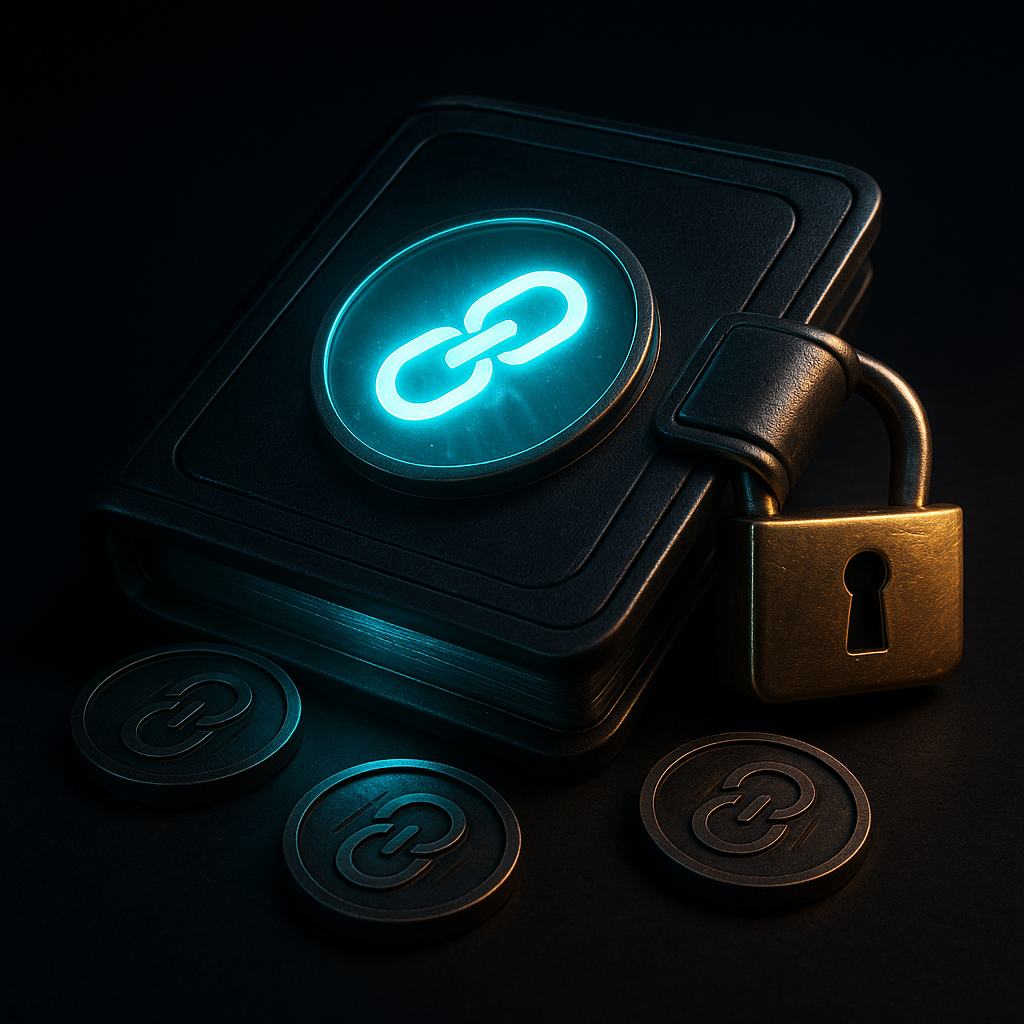
TL;DR: Soulbound tokens are non-transferable digital assets tied permanently to your wallet. They could reshape identity, reputation, and trust across Web3.
Soulbound Tokens Explained: The Truth Nobody Talks About
What if you owned a token you could never sell, trade, or give away? That's the strange promise behind Soulbound Tokens Explained in this article. Coined by Ethereum's Vitalik Buterin, these tokens borrow their name from a video game concept where powerful items bond to a character forever. And here's the kicker: they might matter more than the NFTs everyone's obsessed with.
Soulbound Tokens Explained: Why It Matters
So what actually makes these tokens special? Unlike your typical NFT or cryptocurrency, a soulbound token can't move. It's permanently attached to a wallet, often called a "Soul." Think about it this way: it's like a university diploma. You earned it, it proves something about you, but you can't sell your degree to a stranger.
What most miss is that this non-transferability isn't a bug. It's the entire point. Because when something can't be bought, it can't be faked with money alone.
In my view, this solves a real problem. Right now, reputation in crypto is easy to fake and impossible to verify. A surprising fact? Studies suggest over 80% of wallet activity offers zero insight into who's actually behind it.
Soulbound tokens change that equation. They let you carry verifiable credentials, memberships, and achievements. Real proof, not just purchased hype. Isn't that what decentralized identity was always supposed to be?
[IMAGE: A glowing digital wallet holding locked tokens | Alt: Soulbound Tokens Explained visual concept]
Soulbound Tokens Explained: How It Actually Works
Here's the thing about the technical side. A soulbound token is issued to a Soul, and once it lands there, it stays. No marketplace listing. No transfer function that works the way you'd expect.
The issuing wallet vouches for the receiving wallet. Picture a concert wristband. The venue puts it on your wrist, it's non-transferable, and it proves you belong inside. Try passing it to a friend and it breaks.
But how do you handle mistakes or lost wallets? Good question. Buterin proposed "community recovery," where trusted Souls in your network can help restore access. It's messy, but it mimics how humans actually rebuild trust after losing something.
And here's a surprising fact: some soulbound implementations allow revocation, meaning an issuer can burn a token if credentials become invalid. Your expired professional license could vanish automatically.
What I find interesting is how this stacks. Multiple soulbound tokens create a rich profile. Education here, work history there, DAO participation somewhere else. Together they form a portable reputation layer. This ties directly into concepts like [LINK: decentralized identity standards] that developers are racing to build.
So the plumbing is early, but the vision is clear.
What's Happening Now in the Real World
Adoption is quietly accelerating. Several projects are experimenting with soulbound credentials for governance, education, and even undercollateralized lending. Why lending? Because a borrower with verifiable on-chain reputation is less risky than an anonymous one.
Think about it this way: today, crypto loans demand massive collateral because lenders know nothing about you. But a Soul carrying proof of repaid loans changes that math entirely. It's like building a credit score that you actually own.
Binance launched its Binance Account Bound (BAB) token, a non-transferable credential proving verified users. That's arguably the biggest real-world soulbound deployment so far, with millions of potential holders. Surprising, right?
Gitcoin uses similar ideas for its Passport, fighting sybil attacks where one person fakes many identities to game rewards. Non-transferable proof makes that manipulation far harder.
But not everyone's cheering. Critics warn about privacy nightmares. What happens when your entire life is stamped permanently on a public chain? Could employers, governments, or bad actors misuse it? These aren't small concerns.
In my view, the technology is powerful but genuinely double-edged. The same feature that builds trust could enable surveillance if we're careless. Getting the design right matters more than shipping fast.
[IMAGE: Person scanning a verified credential badge on a phone | Alt: soulbound token real-world adoption example]
What This Means for You
So where does this leave you? Whether you're a casual crypto user or a builder, soulbound tokens are worth watching closely.
Here's why. If reputation becomes portable and verifiable, your on-chain behavior starts to matter. The DAOs you join, the loans you repay, the credentials you earn, all of it could follow you. That's opportunity and responsibility rolled together.
But don't rush to mint everything about yourself just yet. Privacy tools like zero-knowledge proofs are still maturing, and permanence cuts both ways. A mistake stamped forever isn't fun.
My honest advice? Learn the basics now. Experiment cautiously with projects like Binance's BAB or Gitcoin Passport. And keep an eye on how [LINK: Web3 identity solutions] evolve. Being early here could pay off later.
Frequently Asked Questions
Q: What are soulbound tokens in simple terms?
A: Soulbound tokens are non-transferable digital tokens permanently tied to your crypto wallet. Unlike NFTs, you can't sell or trade them. They represent credentials, achievements, memberships, or identity, acting like a permanent digital badge that proves something verifiable about you on the blockchain.
Q: Are soulbound tokens the same as NFTs?
A: No. While both live on blockchains, NFTs are freely tradable and transferable. Soulbound tokens are locked to one wallet and cannot be sold. That non-transferability makes them ideal for identity and reputation, whereas NFTs suit ownership of art, collectibles, and tradable assets.
Q: Can soulbound tokens be removed or revoked?
A: Sometimes, yes. Depending on the implementation, the issuing party can revoke or burn a soulbound token if credentials expire or become invalid. Some designs also allow community recovery mechanisms to restore access if a user loses their wallet or private keys.
Final Thoughts
We've now covered Soulbound Tokens Explained from concept to real-world use, and the picture is genuinely exciting. These tokens could finally give crypto something it desperately lacks: portable, verifiable trust that money alone can't buy. But the risks around privacy and permanence are real, and honestly, they deserve serious attention before mass adoption.
Will soulbound tokens become the backbone of Web3 identity? Maybe. What matters is that you understand them before they quietly reshape how reputation works online. So keep learning, stay curious, and explore the projects experimenting today. Ready to dive deeper into decentralized identity? Start following the space now.
