

TL;DR: A crypto wallet address is your public identifier for sending and receiving digital assets. Get it wrong, and your funds could vanish forever.
Crypto Wallet Address Explained: What Beginners Must Know
Did you know that billions of dollars in crypto have been lost forever due to a single mistyped character? That's why Crypto Wallet Address Explained for Beginners matters more than most people realize. A wallet address is the string of letters and numbers you share to receive digital currency. And unlike a bank account, there's no customer service line to reverse a mistake. So let's fix that knowledge gap right now.
Crypto Wallet Address Explained for Beginners — What It Is and Why It Matters
Think about it this way. A crypto wallet address is a bit like your email address, except instead of receiving messages, you're receiving money. It's a unique string, often 26 to 42 characters long, that tells the blockchain exactly where funds should land.
Here's the thing. The address isn't the wallet itself. It's more like the mailbox slot, while your private key is the actual key to open the box. What most miss is that anyone can see an address on a public ledger, but only the private key holder can spend the funds.
Why does this matter? Because getting comfortable with addresses is the foundation of self-custody. In my view, understanding this single concept separates confident users from panicked beginners. A surprising fact: the very first Bitcoin address ever used belonged to Satoshi Nakamoto, and it still holds coins that have never moved. Ever wondered why? Nobody knows for sure. But it proves how permanent these addresses truly are. Master this, and everything else in crypto gets easier.
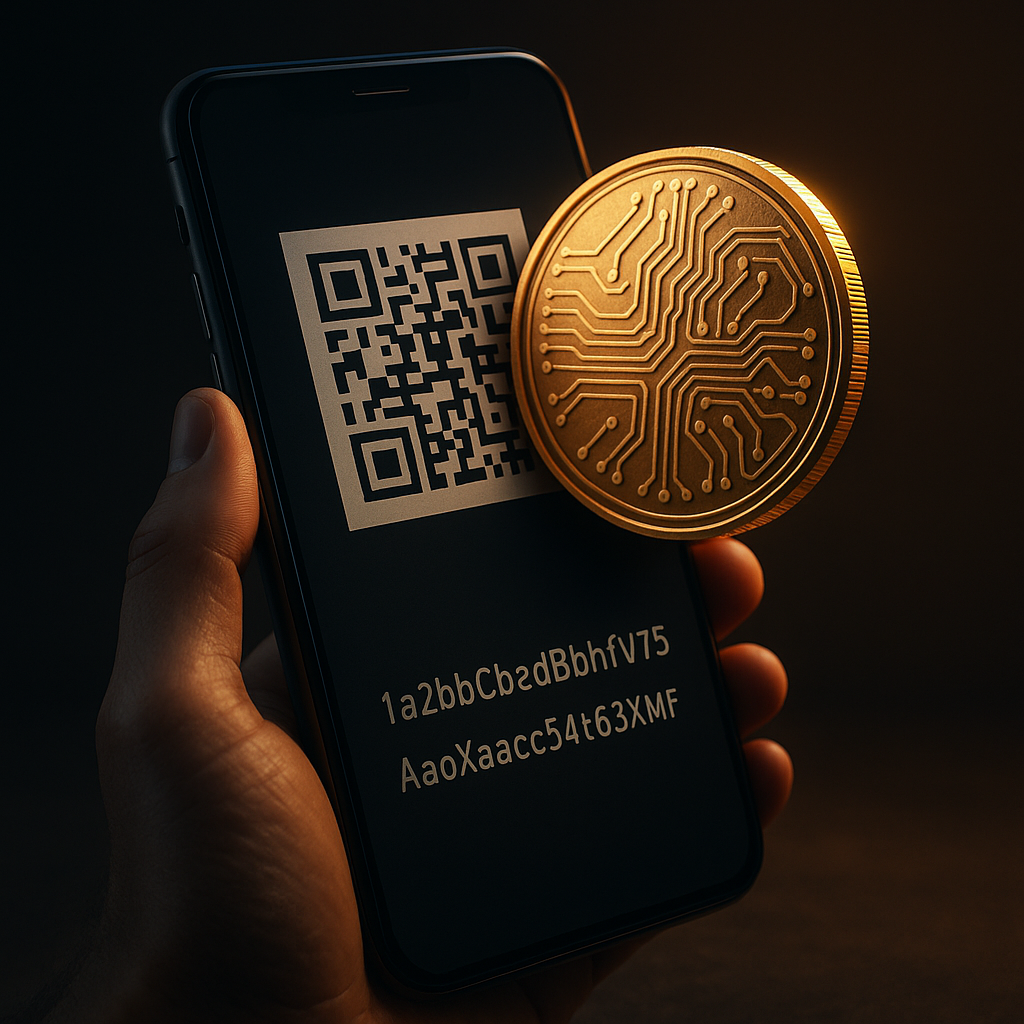
[IMAGE: Illustration of a crypto wallet address on a smartphone screen | Alt: Crypto Wallet Address Explained for Beginners on mobile device]
Crypto Wallet Address Explained for Beginners — How It Actually Works
So how does a wallet address come to life? It all starts with cryptography. When you create a wallet, the software generates a private key, and from that key, a public key is mathematically derived. Then, through hashing, that public key becomes your readable address.
Think of it like a one-way street. You can go from private key to address, but you can never reverse the journey. That's what keeps your funds secure. And it's why protecting your private key and [LINK: seed phrase backup] is non-negotiable.
Here's the thing about different networks. A Bitcoin address won't work on Ethereum, and vice versa. Each blockchain has its own format. Send Bitcoin to an Ethereum address, and poof, it's likely gone forever. But some networks share formats, which confuses beginners even more.
What I find interesting is how addresses evolved. Early Bitcoin addresses started with "1." Now we have SegWit addresses starting with "bc1" that reduce fees. A surprising fact: newer address formats can save you real money on transaction costs simply by being more efficient.
Ever wondered why some wallets show a QR code? It's just your address in scannable form, reducing typos. Smart, right?
[LINK: how to set up your first crypto wallet]
The Real-World Impact and What's Happening Now
Wallet addresses are quietly transforming how the world moves value. Today, businesses accept crypto payments simply by displaying an address or QR code at checkout. No banks. No middlemen. Just peer-to-peer transfer across borders in minutes.
Think of it like handing someone your phone number written on paper. Except this "number" moves money globally without asking permission. That's powerful. And it's reshaping remittances, where workers send earnings home without paying brutal 7% fees to traditional services.
Here's the thing about adoption. Address formats keep improving to solve real problems. Human-readable naming services now let you replace that scary long string with something like "yourname.eth." Because let's be honest, who wants to copy 42 random characters? This is a game-changer for reducing errors and boosting mainstream use.
But there's a darker side too. Scammers exploit address confusion constantly. A surprising fact: "address poisoning" attacks trick users into copying a lookalike address from their transaction history. Attackers send tiny transactions from similar-looking addresses hoping you'll copy the wrong one later.
So the industry is racing to build safer tools. Wallet apps now flag suspicious addresses and verify recipients. In my view, these safeguards can't arrive fast enough for everyday users.
[IMAGE: A merchant accepting crypto payment via QR code address | Alt: crypto wallet address used for real-world payments]
What This Means for You
So what should you actually do with all this? First, always double-check every character when sending funds. Copy and paste, then verify the first and last four characters match. That habit alone prevents most disasters.
Second, never reuse an address if privacy matters to you. Many wallets generate a fresh address for each transaction automatically. And that's a good thing.
Here's the thing. Start small. Send a tiny test amount before moving large sums to a new address. Think of it like tasting soup before serving guests. That quick check saves heartbreak.
Finally, keep your private keys offline whenever possible. Because your address is public, but your keys are sacred. Treat them accordingly, and you'll sidestep the mistakes that trip up beginners every single day.
Frequently Asked Questions
Q: What is a crypto wallet address in simple terms?
A: A crypto wallet address is a unique string of letters and numbers used to send and receive digital currency on a blockchain. Think of it like an email address for money. It's public and safe to share, but only your private key can spend the funds.
Q: Can someone steal my crypto if they know my wallet address?
A: No, knowing your wallet address alone cannot steal your funds. Addresses are public and safe to share for receiving payments. However, if someone gains access to your private key or seed phrase, they can control your wallet entirely. Guard those secrets carefully.
Q: What happens if I send crypto to the wrong address?
A: Transactions on the blockchain are irreversible. If you send funds to a wrong but valid address, they're likely lost permanently unless the owner returns them. Sending to an incompatible network address usually means the funds vanish forever, so always verify before confirming.
Final Thoughts
Understanding wallet addresses isn't optional in crypto. It's essential. Once you grasp how these strings work, the entire ecosystem feels less intimidating and far more empowering. And that confidence pays off every time you send or receive digital assets.
Getting Crypto Wallet Address Explained for Beginners right now means fewer costly mistakes later. Remember the golden rules: double-check every character, protect your private keys, and always send a small test first. These simple habits separate careful users from the ones who learn the hard way.
Ready to take your next step? Explore our beginner guides and start practicing safe habits today. Your future self will thank you.
