


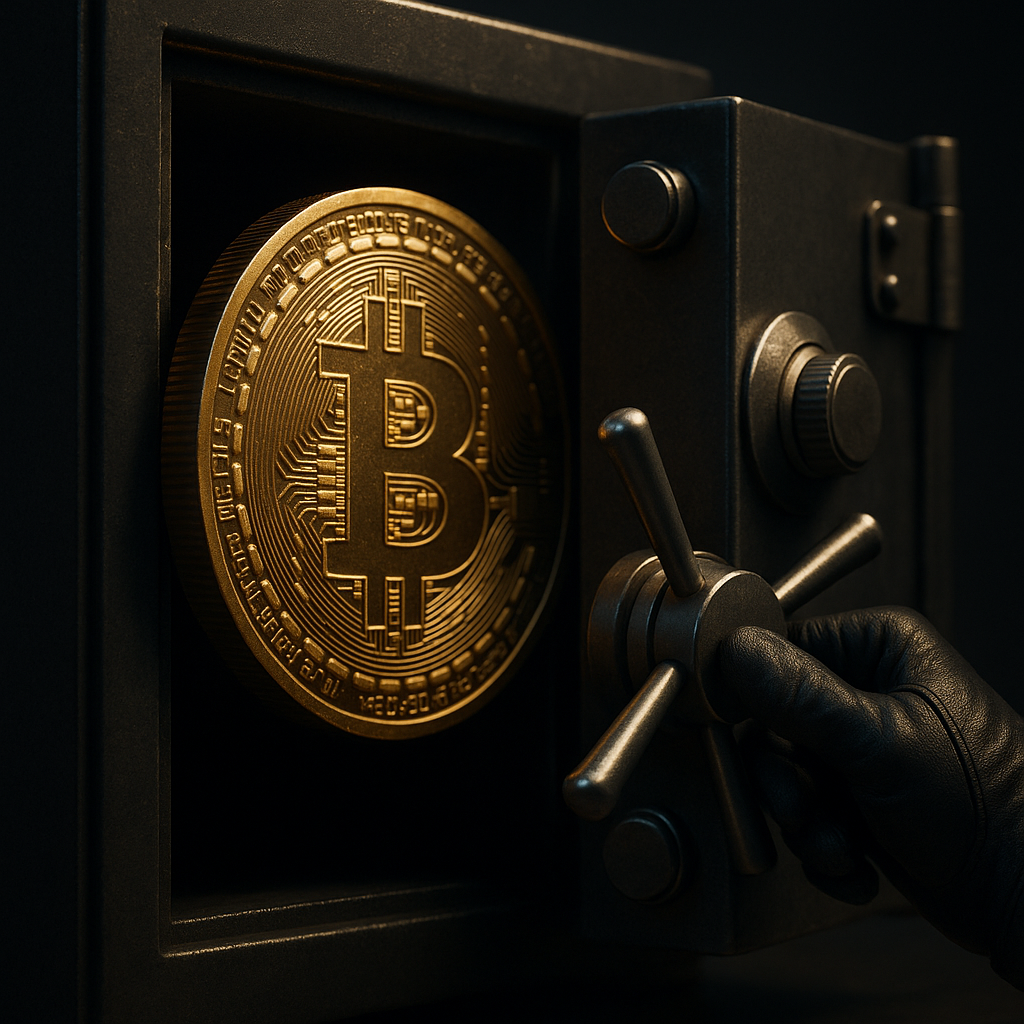
TL;DR: Losing crypto to hacks or lost keys is easier than you think. This guide shows you how to store crypto safely before disaster strikes.
How to Store Crypto Safely Before It's Too Late
Here's a shocking fact: over $3.8 billion in crypto was stolen in a single year, and a huge chunk vanished because people didn't know how to store crypto safely. Think about it. You can own digital gold worth a fortune, but one careless click can wipe it out forever. So how do you protect what's yours before it's too late? Let's break it down.
Why Knowing How to Store Crypto Safely Matters
Let me be blunt. Crypto isn't like money in a bank. There's no helpline, no fraud department, no reset button. Once it's gone, it's gone. That's why learning how to store crypto safely isn't optional—it's survival.
Think about it this way. Your bank protects your cash with insurance and security teams. With crypto, you're the bank, the guard, and the vault all at once. That freedom is powerful, but it's also risky.
What most miss is that the biggest threat isn't always hackers. It's human error. Forgotten passwords. Lost seed phrases. Phones dropped in lakes.

Here's a surprising fact: experts estimate that around 20% of all Bitcoin is permanently lost, locked away in wallets no one can access. That's billions just floating, unreachable.
In my view, treating self-custody casually is the single biggest mistake new investors make. Would you leave a suitcase of cash on your porch? Probably not. So why treat your [LINK: digital wallet security] the same way?
[IMAGE: Person securing a hardware wallet | Alt: how to store crypto safely with hardware wallet]
How to Store Crypto Safely: The Methods That Work
So how does safe storage actually work? It comes down to where your private keys live.
There are two main categories: hot wallets and cold wallets. Hot wallets stay connected to the internet—think apps and exchange accounts. They're convenient. But that connection is also a doorway for attackers.
Cold wallets, on the other hand, stay offline. Hardware wallets like Ledger or Trezor fall here. Paper wallets too, though those are old-school.
Think of a hot wallet like the cash in your pocket. Handy for daily spending, but you wouldn't carry your life savings around, right? A cold wallet is the safe bolted to your floor at home.
Here's the thing about seed phrases. That string of 12 or 24 words is the master key to everything. Anyone with it controls your funds. Write it on paper, or better yet, etch it on metal. Never store it as a screenshot or in your email.
A surprising fact: some investors use steel plates rated to survive house fires and floods, because paper burns and digital copies get hacked. And honestly? That level of paranoia is justified.
Diversify your storage. Don't keep everything in one place. Learn more about [LINK: cold storage best practices].
What's Happening Now in Crypto Security
The threat landscape is shifting fast. And it's getting smarter.
Phishing attacks have exploded. Scammers now build fake websites that look identical to real exchanges, tricking users into typing their seed phrases. One wrong move, and your wallet drains in seconds.
But there's good news too. The industry is fighting back. Multi-signature wallets now require multiple approvals before a transaction goes through. Imagine needing three different keys to open one vault—much harder for a thief to crack.
Hardware wallet makers are also innovating. Some new devices use biometric locks and air-gapped signing, meaning your keys never touch the internet at all.
Here's a surprising fact: social engineering, not code-breaking, causes most crypto theft today. Hackers don't break your wallet. They trick you into opening it for them.
What I find interesting is how regulation is creeping in. Some countries now push for insured custody options, blending traditional safety nets with crypto freedom. Is that the future? Maybe. But it also chips away at the self-sovereignty crypto was built on.
So what's the takeaway? The tools are better than ever. But so are the criminals. Staying informed matters as much as choosing the right [LINK: secure crypto exchange].
[IMAGE: Hacker phishing attempt on a laptop screen | Alt: crypto security threats and phishing risks]
What This Means for You
So where does this leave you? Right at a crossroads.
If you're holding any meaningful amount of crypto, the message is simple. Move beyond exchange storage. Get a hardware wallet. Back up your seed phrase on something fireproof and store copies in separate locations.
Think of it like an emergency kit. You hope you never need it, but you'll be grateful it's there.
Start small. Test sending a tiny amount to your new wallet first. Confirm it works before moving the bulk. And never, ever share your seed phrase—not with support agents, not with "giveaways," not with anyone.
Because at the end of the day, the responsibility sits with you. That's both the burden and the beauty of crypto self-custody.
Frequently Asked Questions
Q: What is the safest way to store cryptocurrency?
A: The safest method is a hardware wallet, also called cold storage. It keeps your private keys offline and away from internet-based attacks. Pair it with a securely backed-up seed phrase stored on metal in a fireproof, hidden location for maximum protection.
Q: Is it safe to keep crypto on an exchange?
A: Keeping crypto on an exchange is convenient but risky. Exchanges can be hacked, frozen, or collapse entirely. The saying "not your keys, not your coins" applies. Use exchanges for trading, but move long-term holdings into your own private wallet.
Q: What happens if I lose my seed phrase?
A: If you lose your seed phrase and lose access to your wallet, your crypto becomes unrecoverable. There's no central authority to reset it. That's why creating multiple secure backups in separate physical locations is absolutely essential for every crypto holder.
Final Thoughts
Here's the bottom line. Learning how to store crypto safely is the difference between holding wealth and watching it vanish. The tools exist. The knowledge is out there. What's missing for most people is action.
Don't wait for a hack or a lost phone to teach you the hard way. Get a cold wallet. Protect your seed phrase. Stay skeptical of anything that smells like a scam.
In my view, the few hours you spend securing your assets today are the best investment you'll ever make in crypto. So take the first step now—and tell us your favorite storage tip in the comments below.
