


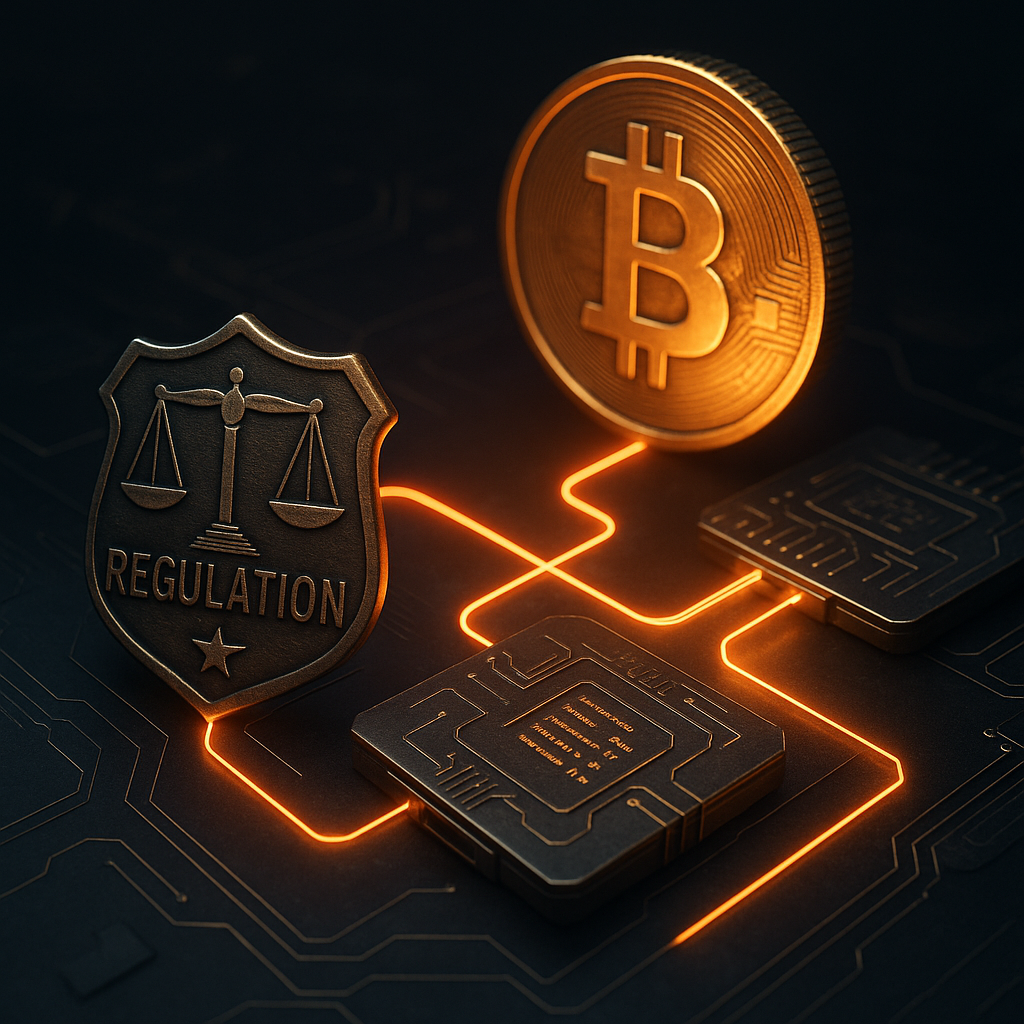
TL;DR: The Travel Rule forces crypto firms to share sender and receiver data on transfers above set thresholds. Ignore it, and you risk frozen funds, delays, or worse.
Travel Rule in Crypto: What to Know Before It's Too Late
Here's a jaw-dropper: over 200 jurisdictions have signed on to global standards that now touch your crypto transfers. The Travel Rule in cryptocurrency isn't some distant regulation—it's already reshaping how exchanges move your money. And most users have no clue it exists. So what happens when your next transfer gets flagged because a rule you'd never heard of demands your personal data travel alongside your coins?
Why the Travel Rule in Cryptocurrency Matters More Than You Think
Let me be blunt. The Travel Rule in cryptocurrency is one of the biggest compliance shifts the industry has faced. It requires Virtual Asset Service Providers—think exchanges and custodial wallets—to collect and share information about the sender and recipient of a transaction.
Think about it this way. When you wire money through a bank, the bank knows who's sending and who's receiving. Crypto was supposed to be different. But regulators from the Financial Action Task Force (FATF) decided otherwise, extending the same "travel" requirement to digital assets.
What most miss is the surprising scope. This isn't just about huge whale transfers. Many jurisdictions set the threshold at just $1,000 or €1,000. That's a modest amount for anyone active in the space.
In my view, this matters because it signals crypto's shift from wild frontier to regulated financial system. Ignore it, and you might find your withdrawal held for "additional verification." Nobody enjoys that surprise.
[IMAGE: Diagram of crypto transaction data flowing between two exchanges | Alt: Travel Rule in cryptocurrency data sharing between VASPs]
How the Travel Rule in Cryptocurrency Actually Works
So how does this thing operate in practice? Let's break it down.
When you send crypto above the threshold from one exchange to another, your originating provider must pass along your identifying details. That includes your name, account number, and often your physical address. The receiving provider does the same for the recipient. Both sides keep records.
Here's the thing—blockchains weren't built for this. A wallet address is just a string of characters. It doesn't carry your name. So the industry created separate messaging protocols, like the Travel Rule Protocol (TRP) and IVMS 101 data standard, to shuttle this personal info securely alongside transactions.
Think of it like sending a package. The blockchain moves the box, but a separate courier delivers the paperwork proving who mailed it and who's receiving it.
A surprising fact? Compliance solutions for this are a booming niche, with dozens of vendors competing to become the industry standard. Interoperability remains messy, though. Two exchanges using different systems can struggle to communicate.
But the direction is clear. Regulatory reporting isn't optional anymore, and firms racing to comply are the ones that'll survive audits. [LINK: how KYC and AML work in crypto]
What's Happening Now With Global Enforcement
Enforcement is ramping up fast. What used to be guidance is becoming hard law across major markets.
The European Union rolled its version into the Transfer of Funds Regulation, part of the broader MiCA framework. That went into effect and applies to essentially all transfers—no lower threshold exemption. In the United States, the FinCEN travel rule has technically existed for years, and regulators are pushing harder for crypto-specific application. Singapore, Japan, and Switzerland have their own versions live too.
Isn't it wild that a single global standard can move this quickly across borders? Usually financial regulation crawls. This one sprinted.
Here's a real-world analogy. Remember when airports suddenly required full-body scanners after security scares? Travelers grumbled, but adapted. Crypto compliance is having its scanner moment—inconvenient at first, then just the way things work.
A surprising fact worth noting: some non-compliant exchanges have been outright delisted from banking partnerships, losing access to fiat rails entirely. That's a death sentence for a trading platform.
And decentralized platforms? They're in a gray zone. Regulators are still debating whether DeFi protocols count as VASPs at all. What I find interesting is how this uncertainty is pushing innovation in privacy-preserving compliance tech.
[IMAGE: World map highlighting jurisdictions enforcing crypto Travel Rule regulations | Alt: Global enforcement of crypto anti-money laundering rules]
What This Means for You
So where does this leave everyday users? Honestly, more paperwork and less friction than you'd fear—if you plan ahead.
Expect your exchange to ask for recipient details when you withdraw to another platform. Sending to a personal wallet you control? Some platforms require you to verify ownership. That's the "unhosted wallet" wrinkle.
But here's my honest take. Don't panic. For most people, the impact is a few extra clicks and occasional verification delays. The bigger risk comes from using shady, non-compliant services that could vanish or get shut down.
Keep your records clean. Use reputable exchanges. And double-check recipient info before hitting send, because errors can freeze transfers.
Because ultimately, adapting now beats scrambling later. The rule isn't going away.
Frequently Asked Questions
Q: What is the Travel Rule in cryptocurrency?
A: It's a regulation requiring crypto service providers like exchanges to collect and share sender and recipient information on transfers above a set threshold, often around $1,000. It aims to prevent money laundering and terrorist financing by making crypto transactions traceable like traditional bank transfers.
Q: Does the Travel Rule apply to personal wallets?
A: It primarily targets transfers between regulated providers, but "unhosted" or personal wallets create complications. Some exchanges require you to verify ownership of a personal wallet before allowing withdrawals, especially for larger amounts. Rules vary significantly by jurisdiction and platform policy.
Q: What happens if an exchange ignores the Travel Rule?
A: Non-compliant exchanges risk heavy fines, loss of banking relationships, and delisting from fiat payment rails. Regulators can revoke licenses entirely. For users, this means potential loss of access to funds if their platform gets shut down or sanctioned for violations.
Final Thoughts
The Travel Rule in cryptocurrency represents crypto's growing pains—the messy transition from anonymous frontier to regulated marketplace. Is it perfect? No. Does it add friction? Sometimes. But it's here, it's expanding, and pretending otherwise only sets you up for frozen funds and nasty surprises down the road.
My advice is simple. Stick with compliant, reputable platforms, keep your transaction records tidy, and stay curious about how these rules evolve. The savvy investors are the ones who adapt early rather than resist.
Want to trade smarter and safer? Explore our guides on choosing a trustworthy exchange and protecting your assets in this new regulatory era.
