

TL;DR: A Bitcoin node is the unsung backbone of the network, quietly enforcing rules nobody can break. Here's what it really does—and why it matters more than mining.
What Is a Bitcoin Node? The Truth Nobody Talks About
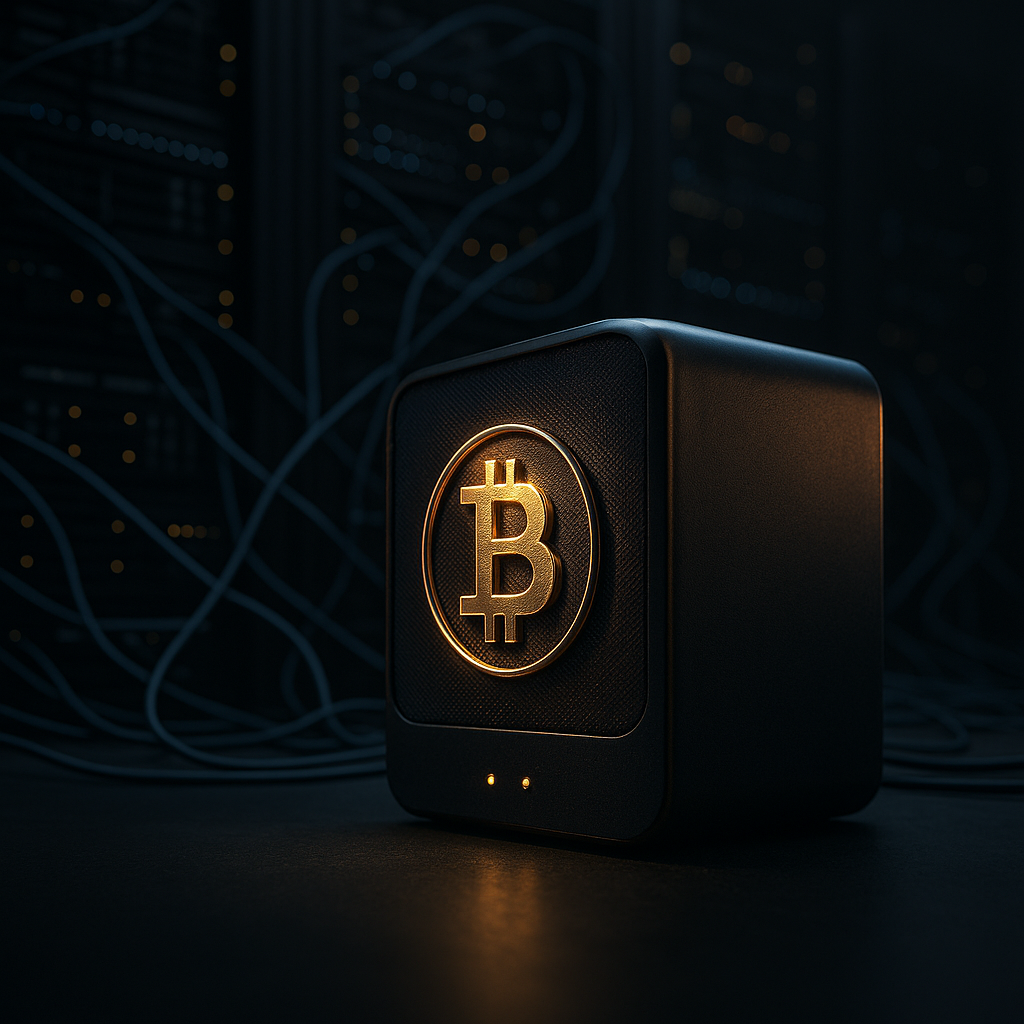
Did you know you could run part of the entire Bitcoin network from a device smaller than a paperback book? Understanding what is a Bitcoin node changes how you see the whole system. Most people obsess over miners and price charts, but what is a Bitcoin node truly comes down to trust—or rather, the ability to trust nothing at all. And that's the part almost nobody talks about.
What Is a Bitcoin Node and Why It Matters
Let's clear this up fast. A Bitcoin node is a computer running Bitcoin's software, storing and verifying a copy of the blockchain. It checks every transaction against the network's rules. No exceptions.
Here's the thing—when people ask what is a Bitcoin node, they usually confuse it with mining. But they're totally different jobs. Miners create new blocks. Nodes verify them, and they'll reject anything that breaks consensus rules.
Think about it this way: a node is like a strict border officer. It doesn't create passports, but it inspects every one and turns away fakes instantly.
Why does this matter? Because nodes are what make Bitcoin trustless. You don't have to believe a bank, a miner, or a stranger. Your own node confirms the truth.
What I find interesting is the surprising fact here: there are roughly 20,000 reachable public nodes worldwide, yet estimates suggest tens of thousands more run privately. That silent army keeps the whole thing honest.
[IMAGE: Diagram of a Bitcoin node verifying transactions across a global network | Alt: what is a Bitcoin node visual explanation]
How a Bitcoin Node Actually Works: A Deep Dive
So how does it function under the hood? When you launch node software like Bitcoin Core, it downloads and validates the entire blockchain—every block since 2009. That's over 500 gigabytes today.
Once synced, your node listens. It receives new transactions and blocks from peers, then checks them against strict rules: valid signatures, no double-spending, correct block rewards. If something's off, the node rejects it. No drama, no vote.
But here's what most miss. Nodes talk to each other constantly, relaying valid data across the globe. This peer-to-peer gossip is how consensus spreads without any central server. Think of it like a rumor traveling through a crowd—except this rumor is mathematically verified before anyone repeats it.
Full nodes store everything. Pruned nodes keep only recent data to save space. Light clients trust others but sacrifice independence.
In my view, running a full node is the purest way to use Bitcoin. You become your own authority. Isn't that the whole point of decentralization?
Surprising fact: the first Bitcoin node ever run belonged to Satoshi Nakamoto, and it mined the genesis block that's still embedded in your node today.
[LINK: How to set up your first full node]
What's Happening Now With Bitcoin Nodes
The node landscape is shifting fast. Plug-and-play devices like Umbrel and Start9 have made running a node almost effortless. You no longer need to be a developer. You just need a Raspberry Pi and a weekend.
And demand is climbing. After every major fee spike or exchange collapse, node counts jump. Why? Because people relearn a hard lesson—"not your node, not your rules." Self-custody without verification is only half the story.
Think of it like growing your own vegetables versus trusting a supermarket label. When trust breaks, more folks want to see the source themselves.
There's also a privacy angle. Running your own node means your wallet queries stay private. You're not leaking your balance to some third-party server. This ties directly into the broader [LINK: self-custody] movement gaining steam.
What's genuinely surprising? Some node operators now pair their setups with the [LINK: Lightning Network] to route payments and even earn small routing fees. The humble node is becoming a mini financial hub.
But challenges remain. Blockchain size keeps growing, and bandwidth costs deter casual users. Still, the trend is clear—more people want sovereignty, not shortcuts. Isn't it wild that a tiny box can hold that much power?
[IMAGE: Raspberry Pi running a Bitcoin node with status lights glowing | Alt: modern Bitcoin node hardware setup]
What This Means for You
So where does this leave you? If you own Bitcoin, running a node gives you something no exchange can: certainty. You verify your own transactions and stop trusting middlemen blindly.
You don't need to run one to use Bitcoin. But you'll understand it far better if you do. And honestly, the peace of mind is underrated.
Think of it like owning the keys to your house versus renting. Both give shelter. Only one makes you truly independent.
Start small. A used laptop works fine for learning. Later, upgrade to dedicated hardware if you catch the bug. Because once you see the network from the inside, you rarely go back.
The takeaway? A node isn't just tech—it's a statement about who controls your money.
Frequently Asked Questions
Q: What is a Bitcoin node in simple terms?
A: A Bitcoin node is a computer running Bitcoin software that stores and verifies the blockchain. It checks every transaction and block against network rules, rejecting anything invalid. Nodes keep Bitcoin decentralized by letting anyone confirm the truth without trusting a third party.
Q: Do Bitcoin nodes earn money?
A: No, running a standard Bitcoin node doesn't earn rewards directly—unlike mining. However, nodes paired with the Lightning Network can earn small routing fees. The real reward is independence, privacy, and the ability to verify your own transactions without trusting anyone.
Q: How much does it cost to run a Bitcoin node?
A: Running a node is cheap. Hardware like a Raspberry Pi setup costs around $150 to $400 total. Electricity is minimal, often under a few dollars monthly. You'll also need roughly 600GB of storage for the full blockchain and stable internet.
Final Thoughts
Let's bring it home. Understanding what is a Bitcoin node reveals the quiet truth behind Bitcoin's power—it's not miners or markets that guarantee honesty, but thousands of everyday people running verification software worldwide. That's the story nobody hypes, yet it's the one that matters most.
In my view, once you grasp what a node really does, Bitcoin stops feeling abstract. It becomes something you can hold, run, and control.
So why not explore it yourself? Grab a spare device, download the software, and watch the network come alive. You might just discover the most empowering part of crypto isn't buying—it's verifying.
