
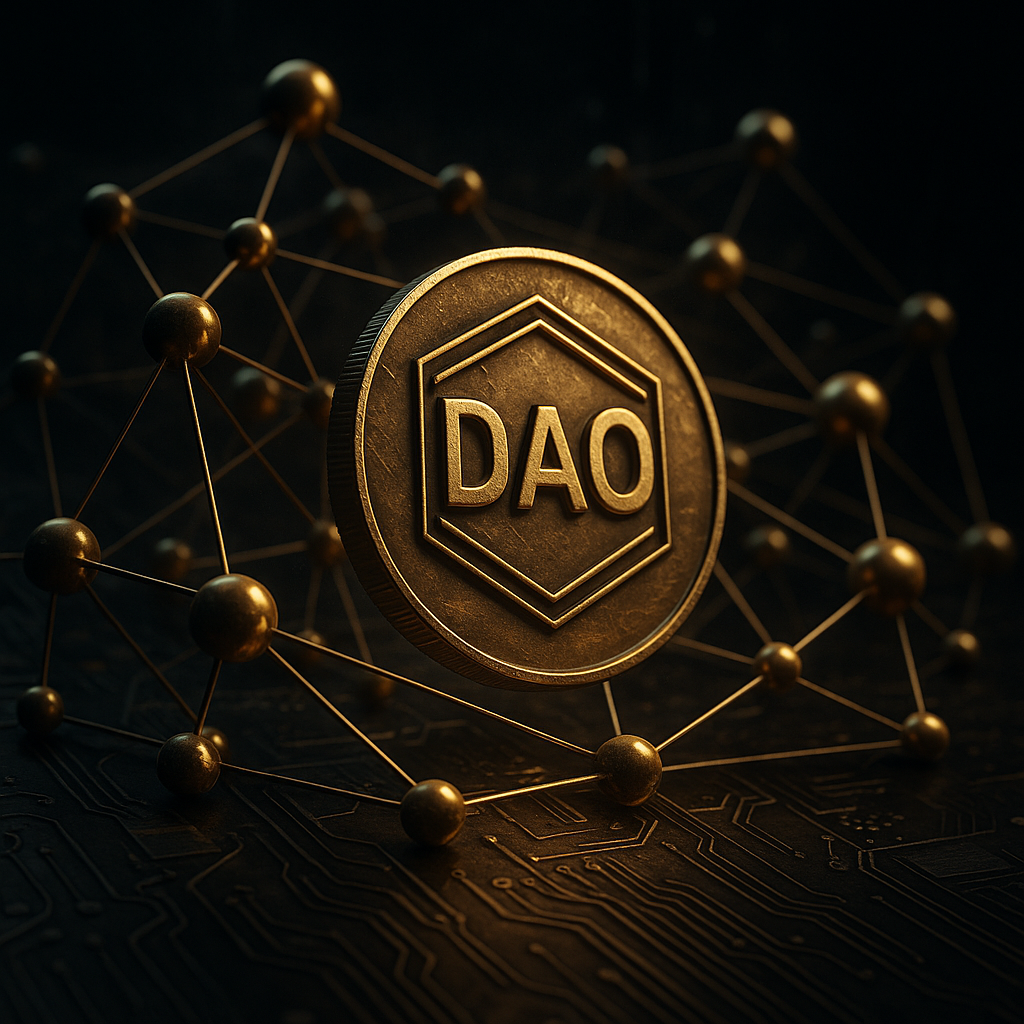
TL;DR: A DAO is a blockchain-based organization run by code and community votes instead of bosses. It promises fairness but hides some uncomfortable truths.
What Is a DAO? The Truth Nobody Talks About
What if a company had no CEO, no headquarters, and no boss to answer to? That's exactly what a DAO is. So what is a DAO, really? It's a Decentralized Autonomous Organization, a group coordinated entirely through smart contracts and token-holder voting on the blockchain. And here's a surprising fact: in 2021, a DAO called ConstitutionDAO raised over $47 million in days just to bid on a copy of the U.S. Constitution.
What Is a DAO and Why It Matters
Let me break down what is a DAO in plain terms. Imagine a group chat where every decision is voted on, every rule is written in code, and no single person can secretly change things. That's the core idea.
A DAO runs on smart contracts. These are self-executing programs that enforce rules automatically. Members hold tokens, and those tokens act like voting shares. Want to fund a project? Propose it. Let the community vote. The code executes the outcome.
Think about it this way: a traditional company is like a monarchy with a king making calls. A DAO is more like a town hall where everyone shows up with a ballot. What I find interesting is how radical that shift really is.
But why does it matter? Because it challenges centuries of how we organize money and power. Trust shifts from people to code. And surprisingly, the first modern DAO, simply called "The DAO," raised $150 million in 2016 before being hacked. Power without oversight cuts both ways.
[IMAGE: Diagram of DAO voting structure with token holders | Alt: What is a DAO decentralized voting structure]
What Is a DAO Doing Under the Hood: How It Works
So how does a DAO actually function day to day? Understanding what is a DAO means looking at the machinery beneath it.
First, someone deploys a smart contract onto a blockchain like Ethereum. This contract holds the rules. Then tokens get distributed to members, often through purchase or contribution. These governance tokens grant voting rights proportional to how many you hold.
When a decision needs making, a member submits a proposal. Maybe it's spending treasury funds or changing a rule. The community votes within a set window. If it passes the threshold, the smart contract executes automatically. No manager approval needed.
Here's the thing about the treasury. Most DAOs hold pooled crypto in a shared wallet controlled by the code. Nobody can drain it alone.
Think of it like a vending machine. You put in the right input, the machine gives the guaranteed output. No human clerk required. And a surprising fact? Some DAOs manage treasuries worth billions, yet they're run by anonymous strangers scattered across the globe.
Still, is code alone enough to run something this complex? That's where cracks appear.
[LINK: Learn more about how smart contracts power blockchain apps]
The Truth Nobody Talks About: What's Happening Now
Here's the uncomfortable part. The dream of pure decentralization rarely matches reality.
In my view, most DAOs aren't as decentralized as they claim. Look closely and you'll often find a small group of founders or whales holding the majority of tokens. That means a handful of people effectively control the vote. So is it really rule by the community, or rule by the rich few?
Voter apathy is another silent killer. Studies show that in many DAOs, fewer than 10% of token holders ever vote. That's a shocking figure. Real decisions get made by a tiny active minority while everyone else stays quiet.
Then there's the legal gray zone. Regulators still don't know how to classify these organizations. In some U.S. cases, courts have treated DAO members as general partners, meaning they could be personally liable for the group's actions. Terrifying, right?
Think of it like a homeowners' association where nobody shows up to meetings, three loud neighbors run everything, and legally you might owe for their mistakes. Governance decentralization sounds noble, but execution stays messy.
And here's a surprising fact: some major DAOs have quietly formed legal wrappers and even hired traditional staff to survive.
[IMAGE: Chart showing low voter turnout across major DAOs | Alt: What is a DAO governance participation problem]
What This Means for You
So where does this leave you? If you're curious about joining or investing in a DAO, go in with clear eyes.
Do your homework first. Check who holds the tokens. A project claiming decentralization while founders control 60% isn't truly community-owned. Read the smart contract audits too, because bugs have drained fortunes.
Start small. Buy a modest amount of governance tokens and actually participate in votes. You'll learn faster by doing than by reading.
But remember the risks. Legal liability, hacks, and low participation are real. Treasury management can be chaotic. This space is young and experimental.
What I find genuinely exciting, though, is the potential. Global strangers coordinating capital without banks? That's powerful. Just don't confuse the hype with the current reality. Stay skeptical, stay informed.
Frequently Asked Questions
Q: What is a DAO in simple terms?
A: A DAO is a Decentralized Autonomous Organization, a group run through blockchain smart contracts and community voting instead of traditional management. Members hold governance tokens that give them voting power over decisions like spending funds, and the code automatically executes whatever the group approves.
Q: Are DAOs legal?
A: DAOs exist in a legal gray area. Some U.S. states like Wyoming now recognize them as legal entities, but many jurisdictions don't. In certain court cases, members have been treated as general partners, meaning they could face personal liability for the organization's actions.
Q: How do you make money with a DAO?
A: People earn through governance tokens that may rise in value, staking rewards, treasury profit-sharing, or contributing work for payment. However, returns aren't guaranteed. Hacks, poor governance, and token crashes are real risks, so treat any DAO investment as highly speculative.
Final Thoughts
So what is a DAO when you strip away the marketing? It's a bold experiment in organizing people and money without traditional bosses. The promise is real, but so are the problems: concentrated power, low participation, and legal uncertainty that nobody likes discussing openly.
I genuinely believe DAOs will shape the future of work and finance. But only if the community faces these hard truths instead of ignoring them. The technology is impressive. The human coordination? Still figuring itself out.
Curious to dig deeper? Explore a few small DAOs, watch how they vote, and form your own opinion. The best way to understand this space is to step into it.
