

TL;DR: A decentralized exchange lets you trade crypto directly from your wallet with no middleman. Here's how it works and why it matters for your money.
What Is a Decentralized Exchange? The Truth Explained
Did you know that over $1 trillion in trading volume flowed through decentralized exchanges in a single year? So what is a decentralized exchange, and why are millions ditching traditional platforms for it? A decentralized exchange, or DEX, is a peer-to-peer marketplace where crypto trades happen automatically through code instead of a company. No accounts, no gatekeepers, just your wallet and the blockchain.
What Is a Decentralized Exchange and Why It Matters
Let's answer the big question first: what is a decentralized exchange in plain terms? It's a trading platform that runs entirely on smart contracts. There's no central company holding your funds, approving your trades, or storing your data. You connect your wallet, pick a token, and swap. That's it.
Think about it this way. A traditional exchange is like a bank teller handling every transaction. A DEX is more like a vending machine that never closes, never asks for ID, and never keeps your cash overnight.
Why does this matter? Because control stays with you. You hold your own keys, which means no company can freeze your account or lose your money in a hack of their servers.
Here's a surprising fact: the first popular DEX, EtherDelta, launched back in 2016, long before most people had heard the word "DeFi." In my view, that early experiment quietly reshaped the entire industry. What most miss is that DEXs removed a single point of failure that had plagued crypto for years.
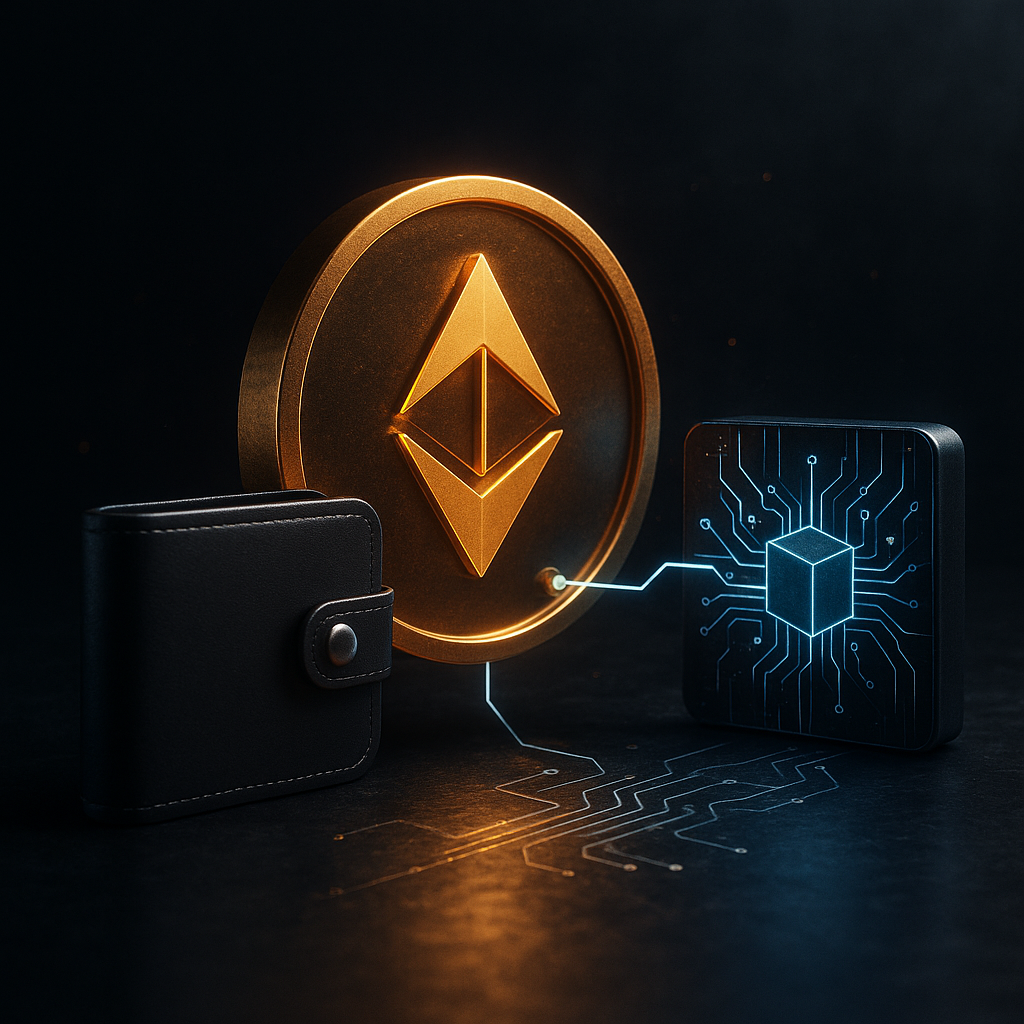
[IMAGE: Diagram showing a user wallet connecting directly to a smart contract | Alt: what is a decentralized exchange visual explanation]
What Is a Decentralized Exchange Under the Hood: How It Works
So how does a decentralized exchange actually move tokens without a company in the middle? The secret is something called an automated market maker, or AMM. Instead of matching buyers with sellers like an order book, most DEXs use liquidity pools.
Here's the thing. A liquidity pool is just a giant pot of two tokens supplied by users. When you swap, you're trading against that pool, and a formula sets the price automatically. Simple, elegant, and running 24/7.
Think of it like a currency exchange booth at an airport that restocks itself. The more of one currency people buy, the pricier it gets. The math handles everything.
But where does the liquidity come from? Regular users called liquidity providers. They deposit their tokens and earn a slice of every trading fee in return. It's [LINK: passive income through yield farming] that didn't exist a decade ago.
And here's a fact that surprised me: Uniswap, one of the largest DEXs, was built by a developer who learned Solidity coding partly through online tutorials after being laid off. What I find interesting is how that garage-project energy still defines the space. No suits, no boardrooms, just code doing the work.
[LINK: beginner's guide to crypto wallets]
What's Happening Now in the DEX World
DEXs have exploded from niche tools into serious infrastructure. Today, some decentralized exchanges rival centralized giants in daily volume. That's a massive shift in just a few years.
Why the surge? Trust took a hit. After several high-profile centralized exchange collapses, traders started asking a hard question: is my money safe if someone else holds it? Many decided it wasn't. So they moved on-chain, where they control their own funds.
Think of it like the switch from renting a safe deposit box to keeping a fireproof safe at home. You take on more responsibility, but nobody else can touch your valuables.
New DEXs now offer features that felt impossible before. Cross-chain swaps let you trade tokens across different blockchains. Layer-2 networks slash fees to pennies. And aggregators scan dozens of pools to find you the best price automatically.
Here's a surprising fact: during major market crashes, DEX volume often spikes while centralized platforms freeze withdrawals. In my view, that resilience is the real story. But it comes with tradeoffs, like higher complexity and no customer support hotline to call when you make a mistake.
[IMAGE: Chart comparing DEX trading volume growth over recent years | Alt: decentralized exchange volume growth trends]
What This Means for You
So what should you actually do with all this? First, understand that a DEX puts you in the driver's seat. That's powerful, but power cuts both ways. If you send tokens to the wrong address, there's no refund. Ever.
Start small. Connect a wallet, try a tiny swap, and get comfortable with how gas fees and slippage work. You'll learn faster by doing than by reading.
But should you go all-in on DEXs? Not necessarily. Many people use both centralized and decentralized platforms depending on the task. Use a DEX for privacy and control, a centralized one for easy cash-outs.
Here's my honest take: learning to use a DEX is a core crypto skill now, like learning to use email in the 90s. Get the basics down early, and you'll thank yourself later.
Frequently Asked Questions
Q: Is a decentralized exchange safe to use?
A: A DEX is generally safe because you keep control of your funds, but risks exist. Smart contract bugs, scam tokens, and user errors can cause losses. Always double-check contract addresses, start with small amounts, and use well-established platforms to reduce your exposure.
Q: Do I need an account to use a decentralized exchange?
A: No, you don't need an account or identity verification. You simply connect a crypto wallet like MetaMask, approve the connection, and start trading instantly. This wallet-based access is a key reason DEXs offer more privacy than traditional centralized exchanges.
Q: How do decentralized exchanges make money?
A: DEXs earn through small trading fees charged on each swap. A portion goes to liquidity providers who fund the pools, and some may go to the protocol's treasury. Unlike banks, most DEXs don't profit from holding your deposits or selling your data.
Final Thoughts
So, what is a decentralized exchange really? It's a shift in who controls your money, moving power from companies back to you. That freedom comes with real responsibility, but for millions of users, the tradeoff is worth it. DEXs aren't perfect, and they're not for everyone yet. Still, they represent one of the clearest examples of what blockchain technology was built to do. In my view, understanding how a decentralized exchange works is no longer optional if you're serious about crypto. Curious to try one? Set up a wallet, make a small first swap, and see the difference for yourself.
