


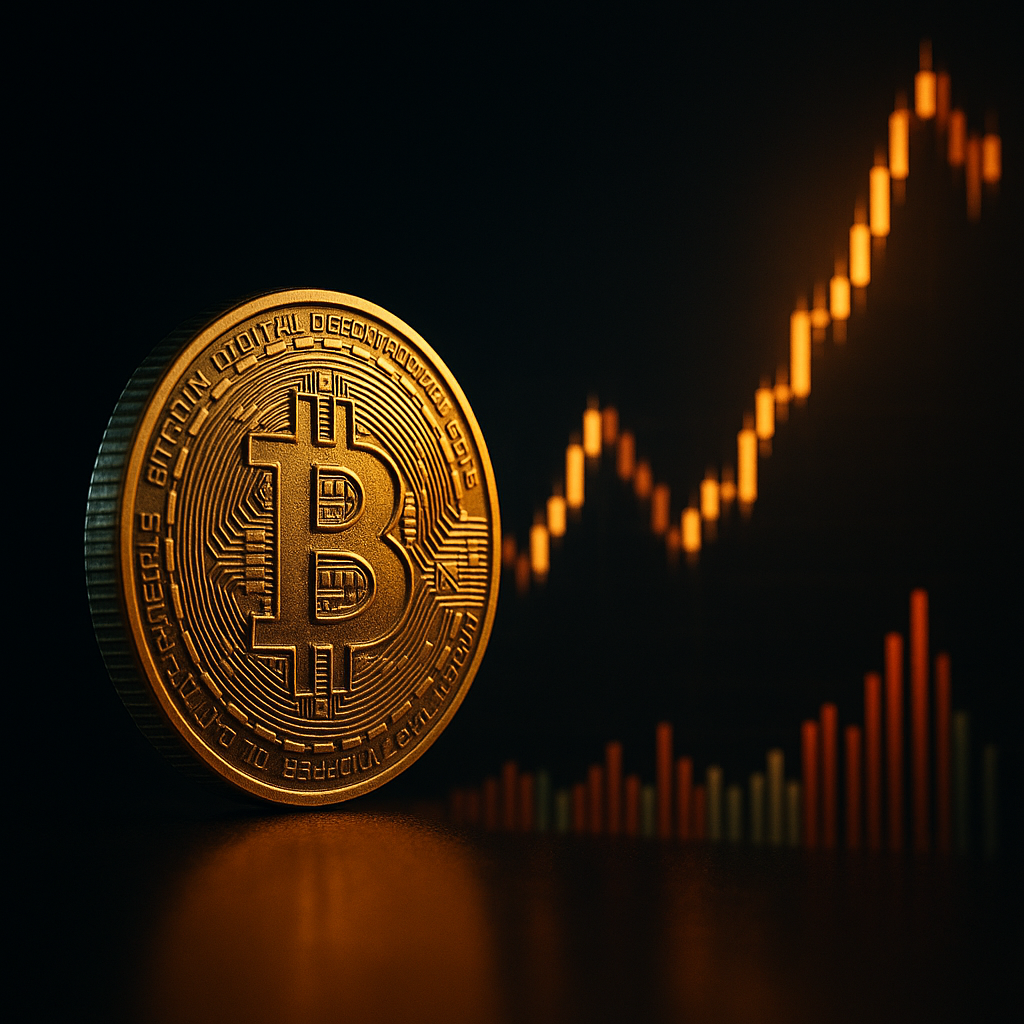
TL;DR: Trading volume reveals the real strength behind price moves, exposing fakeouts and confirming genuine trends. Learn why volume often tells you more than the number on the chart.
Why Crypto Trading Volume Matters More Than Price
Here's a fact that surprises most beginners: a coin can double in price on almost zero real activity. That's exactly why crypto trading volume matters more than the flashy price tag everyone obsesses over. Price tells you what happened. Volume tells you whether anyone actually believed it. So which one deserves your attention?
Why Crypto Trading Volume Matters for Every Trader
Let's start simple. Volume is the total amount of a coin traded over a period, and it's the heartbeat of any market. Price without volume is like a rumor with no witnesses.
Think about it this way. If one person sells a house on your street for a wild price, that's not the market value. But if fifty homes sell at that price? Now you've got a trend. Crypto works the same way.
Here's the thing about why crypto trading volume matters: it confirms conviction. A price spike backed by heavy volume signals real demand. A spike on thin volume often collapses within hours.

What most miss is that low-volume assets are dangerously easy to manipulate. A surprising fact? Some small-cap tokens have entire "rallies" driven by a single whale wallet. That's not a market. That's a puppet show.
In my view, volume is the honesty check that price simply can't provide. It filters hype from substance. And once you start reading it, you'll never look at a green candle the same way again. Learn to respect the data behind the move. [LINK: understanding market liquidity]
[IMAGE: Trading chart showing volume bars beneath candlesticks | Alt: why crypto trading volume matters chart example]
Why Crypto Trading Volume Matters: How It Actually Works
So how does volume function under the hood? Every trade needs a buyer and a seller. Volume counts the coins that change hands, giving you a raw measure of participation.
But here's where it gets interesting. Traders pair volume with price action to read momentum. Rising price plus rising volume equals a healthy trend. Rising price plus falling volume? That's a warning sign, often called divergence.
Think of it like a crowd at a concert. The louder the crowd, the more real the excitement. When the noise fades but the band keeps playing, you know people are heading for the exits. Volume is that crowd noise for markets.
A surprising fact: daily crypto trading volume regularly exceeds $100 billion across major exchanges, sometimes rivaling entire national stock markets. That scale creates opportunity but also noise.
What I find interesting is how volume exposes fake breakouts. Price breaks resistance? Cool. But if volume stays flat, that breakout usually fails. Smart money watches this constantly.
And because wash trading exists, savvy traders check volume across multiple trusted platforms. Never trust a single source blindly. Cross-referencing keeps you honest. [LINK: how to spot wash trading]
What's Happening Now in Volume-Driven Markets
Right now, volume analysis is becoming central to how professionals trade. Institutional players don't chase candles. They chase liquidity, and liquidity lives in volume.
Ever wonder why some tokens pump then vanish? Low sustained volume. The hype arrives, the volume spikes for a day, then dries up completely. The price follows the volume down.
Here's a real-world analogy. A restaurant packed on opening night means nothing if it's empty by week two. Sustained traffic proves the concept. Sustained volume proves an asset.
A surprising fact from recent cycles: several "top 20" tokens by market cap had daily volumes so thin that exiting a large position would crash the price by double digits. Market cap looked massive. Real liquidity was tiny.
But this is where retail traders get burned. They see a huge market cap and assume safety. What they miss is that on-chain volume and exchange volume can tell wildly different stories.
Today, tools track order book depth, spot volume, and derivatives volume separately. Each layer reveals something new. Traders who blend these signals gain a genuine edge. Isn't that a smarter way to navigate chaos than staring at price alone?
[IMAGE: Dashboard comparing spot and derivatives volume across exchanges | Alt: crypto trading volume comparison across markets]
What This Means for You
So what should you actually do with all this? Start treating volume as your first filter, not an afterthought.
Before you enter a trade, ask one question: is the price move supported by real volume? If yes, your setup has legs. If no, you might be chasing a ghost.
In my view, beginners should never buy a breakout without confirming volume first. It's the single cheapest insurance policy in trading.
Here's a practical habit. Pull up any chart and add the volume indicator. Watch how tops and bottoms often come with volume spikes. That pattern repeats endlessly.
And be skeptical of low-volume "hidden gems." Sometimes they're hidden for good reason. Liquidity matters when you want to sell.
Volume won't make you rich overnight. But it'll keep you from a lot of painful mistakes. That alone is worth it. [LINK: beginner risk management guide]
Frequently Asked Questions
Q: Why does crypto trading volume matter more than price?
A: Volume shows the real conviction behind a price move. High volume confirms genuine demand, while low volume often signals manipulation or weak trends. Price alone can be misleading, but volume reveals whether market participants truly support the move, making it a stronger indicator.
Q: What is considered good trading volume for a cryptocurrency?
A: There's no universal number, but healthy volume should be consistent and high relative to the coin's market cap. Look for daily volume that lets you enter and exit easily without moving the price much. Sustained volume across multiple reputable exchanges signals a genuinely liquid, tradeable asset.
Q: Can trading volume be faked?
A: Yes, unfortunately. Wash trading, where entities trade with themselves, inflates volume artificially to appear more active. Some exchanges have reported billions in fake volume. Always verify figures using trusted aggregators and cross-check on-chain data to avoid being misled by manipulated numbers.
Final Thoughts
At the end of the day, understanding why crypto trading volume matters can completely change how you approach the market. Price grabs headlines, but volume tells the truth underneath. It confirms trends, exposes fakeouts, and protects you from illiquid traps that catch so many newcomers off guard.
Here's my honest take. If you only learn one new skill this year, make it reading volume alongside price. That combination beats staring at candles blindly every single time.
Start small. Add the volume indicator to your next chart and watch what it reveals. Want to sharpen your edge further? Explore our beginner guides and keep learning.
