


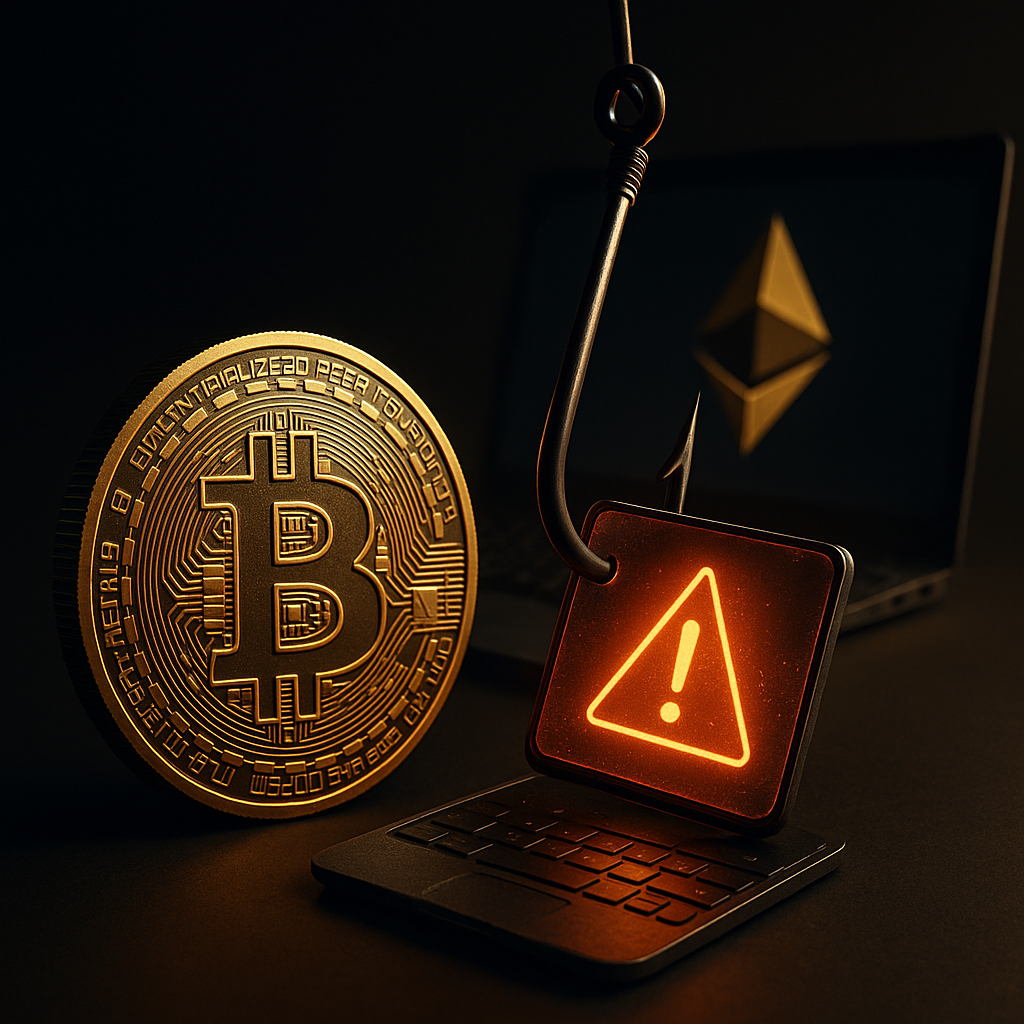
TL;DR: Crypto scams steal billions yearly through fake giveaways, phishing, and rug pulls. Learn the warning signs now so you don't become the next victim.
Common Crypto Scams: What to Know Before It's Too Late
Here's a jaw-dropper: in 2023 alone, crypto scammers stole over $4 billion from everyday investors. Common crypto scams aren't just clumsy email tricks anymore—they're slick, psychological, and shockingly convincing. Could you spot one before your wallet's drained? Most people think they're too smart to fall for it, right up until the moment they do.
Why Common Crypto Scams Matter More Than Ever
Let's be honest—crypto moves fast, and so do the people trying to steal it. Common crypto scams matter because the technology that makes blockchain powerful also makes it unforgiving. There's no fraud department to call. There's no chargeback button. Once your funds leave your wallet, they're gone.
Think about it this way: traditional banks act like a safety net under a tightrope walker. Crypto removes that net entirely. You're walking solo, high above the ground, and one wrong step is permanent.
What most miss is how scams exploit emotion, not just technology. Fear of missing out. Greed. Trust in a familiar face. Scammers understand human nature better than they understand code.

Here's a surprising fact: the FBI reported that crypto fraud losses jumped 45% in a single year. In my view, that growth isn't slowing because awareness simply isn't keeping pace. Education is your real protection here. Knowing the patterns is half the battle. [LINK: beginner's guide to crypto security]
[IMAGE: Person reviewing suspicious crypto transaction on laptop | Alt: common crypto scams warning signs]
How Common Crypto Scams Actually Work
So how do these schemes really operate? Most follow a predictable playbook, even if the costumes change.
Phishing comes first. Scammers send fake emails or DMs that mimic real exchanges, luring you to enter your seed phrase on a cloned website. And here's the kicker—the fake sites often look more polished than the originals.
Then there are rug pulls. Developers launch a shiny new token, hype it relentlessly, then vanish with investor money once the price climbs. Think of it like a magician's disappearing act, except the audience pays for the privilege.
Romance scams deserve their own warning. A "perfect match" online slowly builds trust over weeks, then casually mentions a "guaranteed" investment opportunity. By then, your guard is down.
Pig butchering—a chillingly named tactic—combines romance and fake trading platforms to bleed victims dry over months. Why does it work so well? Because patience makes the con feel legitimate.
What I find interesting is that surprising fact: roughly 70% of crypto scam victims never report the crime, often from embarrassment. That silence helps scammers thrive. [LINK: how to verify a crypto project]
What's Happening in the Scam Landscape Right Now
The scam world isn't static—it's evolving at frightening speed. Right now, artificial intelligence is the game-changer nobody asked for.
Deepfake videos of celebrities like Elon Musk now promote fraudulent giveaways with eerie realism. You'll see "Send 1 ETH, get 2 back" promotions that look professionally produced. But here's the thing: no legitimate giveaway ever asks you to send money first.
Fake wallet apps are surging too. They slip past app store reviews, sit innocently on your phone, then quietly transmit your private keys to attackers. It's like handing your house keys to a stranger wearing a locksmith's uniform.
Social engineering has gone industrial. Entire scam compounds—some operating like call centers—run coordinated campaigns across Telegram, Discord, and X.
A genuinely surprising fact: some scam operations now use stolen identities to pass exchange verification, making their fraud harder to trace. Secondary threats like wallet draining and address poisoning are climbing fast, where attackers send tiny transactions to trick you into copying a malicious address.
Because regulation lags behind innovation, enforcement remains patchy. So the burden of protection still falls mostly on you. [LINK: latest crypto security trends]
[IMAGE: Deepfake crypto giveaway scam on social media | Alt: common crypto scams using AI deepfakes]
What This Means for You
So where does this leave you? In a stronger position than you think—if you stay alert.
Start with one golden rule: never share your seed phrase. Not with support, not with a friend, not with anyone. Legitimate platforms will never ask.
Verify before you trust. Double-check URLs. Confirm wallet addresses character by character. Slow down when someone pressures you to act fast, because urgency is the scammer's favorite weapon.
Use hardware wallets for serious holdings. Enable two-factor authentication everywhere. And treat unsolicited "opportunities" with deep suspicion.
In my view, skepticism is a superpower in this space. The people who lose money usually aren't foolish—they're just rushed or hopeful. Stay curious, stay calm, and you'll dodge most traps before they spring. Your future self will thank you.
Frequently Asked Questions
Q: What are the most common crypto scams to watch for?
A: The most common crypto scams include phishing attacks, rug pulls, fake giveaways, romance scams, and pig butchering schemes. Each one targets your emotions or trust. Watch for guaranteed returns, urgent pressure, and any request for your seed phrase—these are universal red flags worth memorizing.
Q: Can you recover money lost to a crypto scam?
A: Recovery is rare but not impossible. Report the scam to your exchange, local authorities, and platforms like the FBI's IC3 immediately. Acting fast improves your slim odds. Beware "recovery agents" who promise to retrieve funds for an upfront fee—they're usually a second scam.
Q: How can I verify if a crypto project is legitimate?
A: Check for a transparent team, audited smart contracts, and a clear whitepaper. Research community sentiment on independent forums. Be skeptical of anonymous founders and locked liquidity claims you can't verify. If returns sound guaranteed or too good to be true, walk away quickly.
Final Thoughts
Crypto offers real opportunity, but it demands real caution. Common crypto scams succeed because they exploit speed, emotion, and our natural desire to believe in a good thing. The technology won't protect you—your judgment will. Slow down. Question everything. Verify twice and trust slowly.
Here's the bottom line: awareness is the single best defense against common crypto scams, and you've just leveled up yours. The scammers are counting on your hesitation to learn. Prove them wrong.
Want to keep your assets safe? Bookmark our security guides, share this article with someone new to crypto, and never stop asking questions.
