


KYC in Cryptocurrency: What You Need to Know Now
TL;DR: KYC in cryptocurrency verifies your identity before you trade, balancing regulation with privacy. Here's what it means for your security, freedom, and future transactions.
KYC in Cryptocurrency: What You Need to Know Now
Did you know that over 99% of major crypto exchanges now require some form of identity check? KYC in cryptocurrency has gone from optional to nearly unavoidable. What started as a niche compliance step is now the gateway to almost every regulated trading platform on Earth. And whether you love it or hate it, it's reshaping how digital money moves.
What Is KYC in Cryptocurrency and Why It Matters
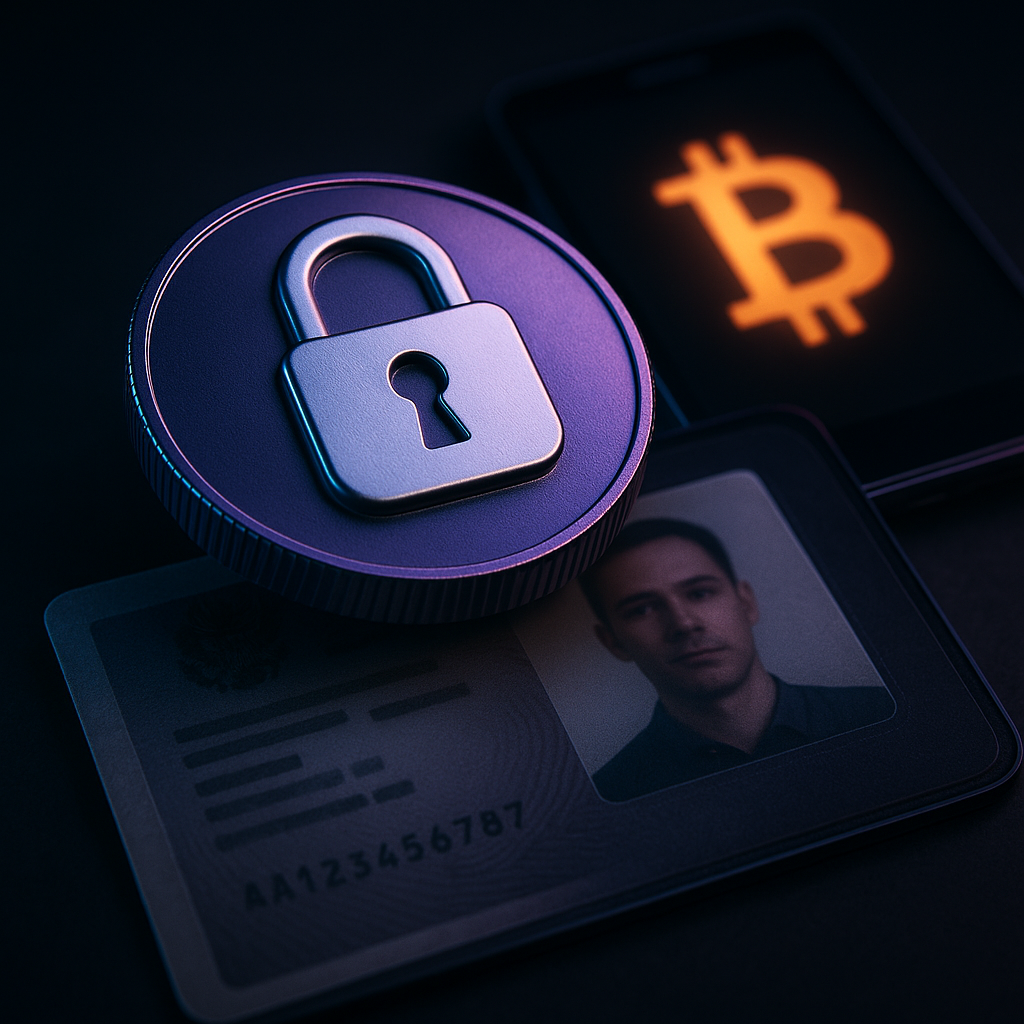
KYC in cryptocurrency stands for "Know Your Customer." It's the process exchanges use to verify who you really are before letting you trade. Think about it this way: it's like showing your ID at a bank before opening an account.
Here's the thing. Crypto was born on the promise of anonymity, yet regulators saw that same anonymity fueling fraud and money laundering. So they pushed back hard.
What most miss is how deeply this affects ordinary users. You upload a passport, snap a selfie, and suddenly your wallet is tied to your legal identity. In my view, that's a massive shift from crypto's original spirit.
But why does it matter so much? Because it determines whether you can even access global markets. A surprising fact: some platforms reject up to 15% of verification attempts due to mismatched documents.
KYC protects against criminal abuse, sure. Yet it also raises real questions about data privacy and surveillance. Striking that balance is the challenge every exchange faces today.
[IMAGE: User uploading ID to a crypto exchange app | Alt: KYC in cryptocurrency identity verification process]
How KYC in Cryptocurrency Actually Works
So how does the whole process unfold? It usually happens in tiers, and each tier unlocks more features.
First comes basic registration with your email and name. Then identity verification kicks in. You'll submit a government ID, a selfie, and sometimes proof of address like a utility bill. Advanced tiers may ask about your source of funds.
Think of it like airport security. The more sensitive your destination, the more checks you face before boarding.
Behind the scenes, automated systems scan your documents against databases. They run AML (anti-money laundering) checks and screen for sanctioned individuals. What I find interesting is how fast this happens—often under five minutes thanks to AI.
A surprising fact: facial recognition tech used in crypto KYC can detect a fake selfie with over 99% accuracy. Pretty wild, right?
But the data doesn't vanish after approval. Exchanges store it, sometimes for years, to satisfy regulators. That's where concerns about [LINK: crypto data privacy risks] start bubbling up. Because once your information sits on a server, it becomes a target for hackers.
In my view, understanding this flow helps you choose safer platforms.
[LINK: best regulated crypto exchanges]
What's Happening Now With Crypto Identity Rules
Regulation is tightening fast. Across the globe, governments are rolling out stricter frameworks, and crypto businesses are scrambling to comply.
The European Union's MiCA rules now demand robust verification from every licensed provider. Meanwhile, the FATF "Travel Rule" forces exchanges to share customer data during transfers above a certain threshold. Have you noticed more platforms asking deeper questions lately? That's why.
Here's the thing about decentralized finance. DeFi was supposed to be the wild frontier with no gatekeepers. But even that's changing. Regulators are eyeing decentralized exchanges, pressuring them to adopt identity layers too.
Think of it like the early internet. It started lawless and open, then slowly got fenced in by rules and registrations. Crypto is walking the same path.
A surprising fact: some countries now require KYC for transactions as small as $1,000, drastically lower than before.
And privacy coins? They're facing delistings on major exchanges because regulators dislike their untraceable nature. What I find interesting is how this clash between freedom and oversight keeps escalating. The [LINK: future of crypto regulation] looks busier than ever.
[IMAGE: Global map showing crypto regulation hotspots | Alt: KYC cryptocurrency regulation worldwide]
What This Means for You
So what should you actually do with all this? Be intentional.
Choose exchanges with strong security reputations and transparent privacy policies. Don't just hand your passport to any random platform promising low fees. Because your identity is valuable—maybe more valuable than the coins you're buying.
What most miss is the importance of backups. Keep copies of your verification documents and records of which platforms hold them. If a breach happens, you'll know exactly where to look.
In my view, embracing KYC where it's required while using self-custody wallets for storage is the smart middle ground. You stay compliant but keep control of your assets.
Ask yourself this: would you rather trade freely with risk, or securely with rules? There's no perfect answer, but awareness keeps you protected.
Frequently Asked Questions
Q: Is KYC in cryptocurrency mandatory on all platforms?
A: No, not everywhere. Most regulated centralized exchanges require it, but some decentralized platforms and peer-to-peer services still allow trading without full verification. However, those options are shrinking fast as global regulations tighten and pressure on DeFi protocols increases steadily.
Q: Is it safe to give my ID to a crypto exchange?
A: It depends on the platform. Reputable exchanges use encryption and secure storage, but no system is fully breach-proof. Always research a company's security history, read its privacy policy, and avoid sharing documents with unlicensed or suspicious services before trading anything.
Q: Can I avoid KYC in cryptocurrency legally?
A: Sometimes, through decentralized exchanges, peer-to-peer trades, or non-custodial wallets. But these come with higher risks and limited features. Plus, regulators are closing loopholes quickly. For most users, completing verification on trusted platforms remains the safest and most practical path forward.
Final Thoughts
KYC in cryptocurrency isn't going anywhere—if anything, it's becoming the backbone of legitimate digital finance. Yes, it challenges the anonymity that first drew people to crypto. But it also builds trust, reduces fraud, and opens doors to mainstream adoption. The trick is staying informed and choosing platforms that respect both compliance and your privacy.
Here's my honest take: treat verification as a tool, not a threat. Understand it, prepare for it, and protect your data along the way. Want to dive deeper into safe trading? Explore our other guides and take control of your crypto journey today.
